Ad: this guide contains affiliate links. If you buy through them we may earn commission, at no extra cost to you.
Home & Kitchen
25 small money-saving habits that add up (UK household)
Twenty-five easy habits for energy, food, shopping and bills that each save a little, with Energy Saving Trust estimates and simple maths showing how small savings add up.
By Daily Offer Deals editorial team7 min read

On this page 10 sections
Quick answer
The habits that add up fastest are the ones you repeat every day or week: turning appliances off standby, drying clothes on a rack, planning meals and using leftovers, checking unit prices, and reviewing bills and subscriptions once a year. None of them is dramatic on its own, but saving £5 a week is £260 a year, and a handful of these together can be worth several hundred pounds.
Why small habits matter
It’s easy to dismiss a saving of a few pence. The trick is to look at it over a year:
| Saving | Per year |
|---|---|
| 50p a day | £182.50 |
| £1 a day | £365 |
| £5 a week | £260 |
| £10 a week | £520 |
| £20 a month | £240 |
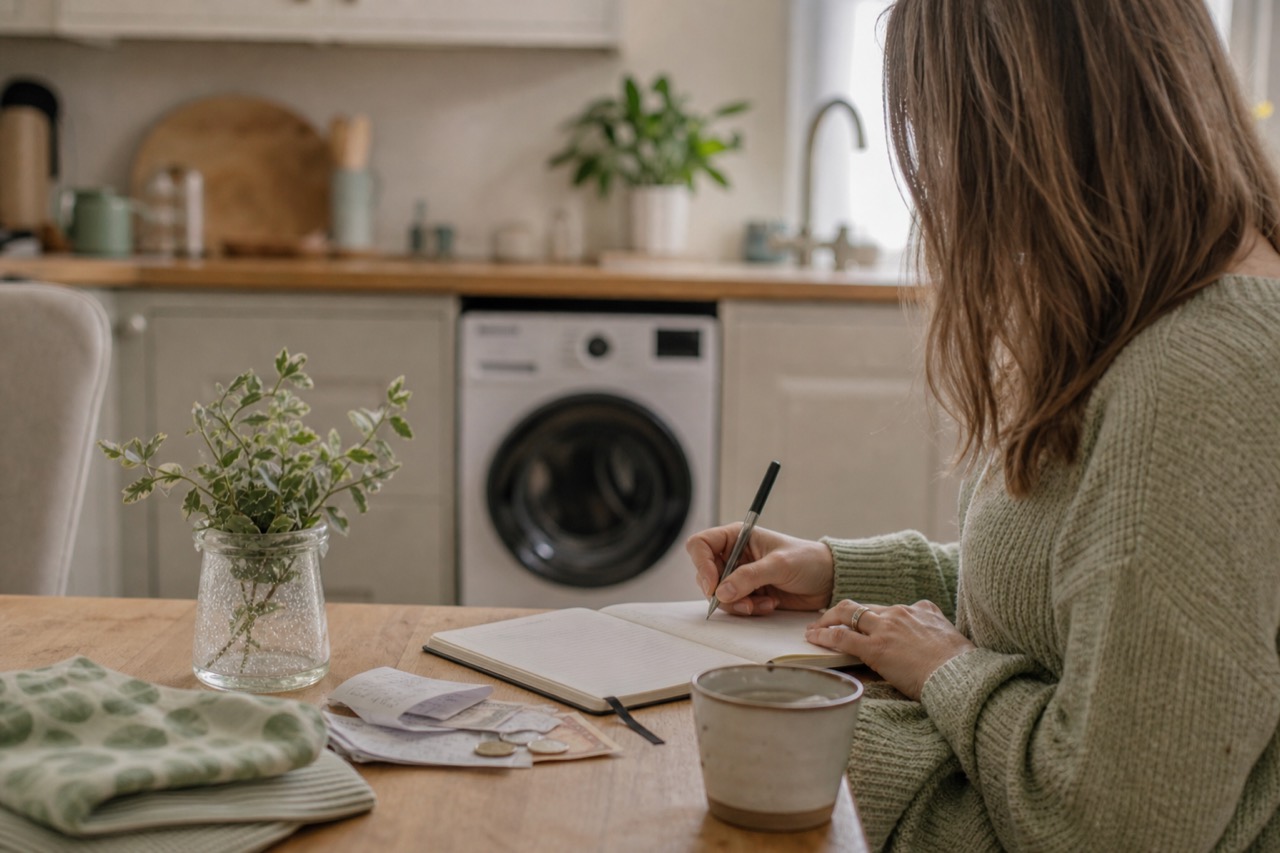
Pick a few habits that fit your life, stick with them for a month, then add more. Track what you save in a notebook or app so you can see it build. MoneyHelper’s free budget planner is a good place to start.
Energy habits
The Energy Saving Trust publishes estimated yearly savings for a typical household in Great Britain. Its figures are estimates and change as prices change, but they show where the money is:
| Habit | Energy Saving Trust estimate (GB, per year) |
|---|---|
| Turn the thermostat down by one degree (e.g. 22°C to 21°C) | around £120 |
| Draught-proof windows, doors and floors | around £55 |
| Dry clothes on a rack or line instead of a tumble dryer | around £50 |
| Turn appliances off standby | around £45 |
| Wash at 30°C and do one fewer wash a week | around £26 |
| Turn off lights you’re not using | around £7 |
- Turn the thermostat down a degree if everyone at home stays comfortable. The Energy Saving Trust suggests 18°C to 21°C suits most people.
- Switch off at the wall. TVs, consoles, chargers and microwaves draw power on standby. A switched extension lead makes it one click.
- Dry clothes on an airer near (not on) a radiator, in a ventilated room. Browse heated and standard clothes airers on Amazon.
- Wash at 30°C and only run full loads.
- Fill the kettle only with what you need.
- Fit draught excluders at the bottom of doors. Browse draught excluders on Amazon.
- Close curtains at dusk and tuck them behind radiators.
- Shorter showers. If you have a water meter, you save on water as well as heating it.
- Cook small portions in the microwave or air fryer instead of heating a full oven, and fill the oven when you do use it.
See our guide to saving money on energy bills this winter for more, including the current price cap rates.
Food habits
- Plan meals before you shop. Check what’s in the fridge, freezer and cupboards first, then write a list and stick to it.
- Shop with a full stomach. It’s an old tip because it works: hungry shoppers buy more.
- Compare unit prices, not pack prices. From 6 April 2026, updated Price Marking Order rules in Great Britain aim to make unit pricing clearer and more consistent in shops.
- Try own-brand versions of things you buy every week. If you can’t tell the difference, keep buying them.
- Use leftovers. Cool them quickly, refrigerate within one to two hours and eat within 48 hours, as Food Standards Agency guidance advises, or freeze them.
- Understand date labels. “Best before” is about quality; “use by” is about safety. Food past its best before date can still be eaten, but never eat food past its use-by date.
- Batch cook and freeze portions so there’s always a cheap meal ready instead of a takeaway.
- Take lunch and a drink to work or school a few days a week. Browse reusable lunch boxes on Amazon.
Shopping habits
- Wait 24 hours before any non-essential purchase over a set amount (say £30). If you still want it tomorrow, fine.
- Unsubscribe from marketing emails you don’t read. Fewer prompts, fewer impulse buys.
- Check the price history before buying anything in a sale. Our guide to how to spot a genuine deal shows how.
- Buy for need, not discount. A “50% off” item you didn’t need is 100% spent.
Bills and admin habits
- Review subscriptions every few months. Cancel the ones you haven’t used, or rotate streaming services month by month.
- Check renewals for insurance, broadband and mobile. Put the renewal dates in your calendar and compare before auto-renewing.
- Submit meter readings if you don’t have a working smart meter, so you’re billed on what you actually use.
- Check you’re getting all the help you’re entitled to. Use a free benefits calculator on gov.uk, and ask your council about Council Tax Reduction if you’re on a low income.

How to make habits stick
- Start with three. Too many changes at once rarely last.
- Make it automatic. Put a switched extension lead behind the TV, leave the airer up, keep a shopping list on your phone.
- Move the money. Each week, transfer what you think you saved into a separate savings pot so it doesn’t just get spent.
- Review monthly. Note what worked and add one more habit.
Habits that cost nothing to start
If money is tight right now, these need no spending at all:
- A no-spend day each week. Pick one day where you buy nothing beyond what’s already planned. It breaks the habit of small, unplanned purchases like coffees and snacks.
- A “use it up” week each month. Cook mainly from what’s already in the cupboards and freezer before you do a big shop.
- One fewer wash a week. Clothes like jeans and jumpers rarely need washing after every wear.
- Lids on pans. Food comes to the boil faster and you can turn the heat down sooner.
- A five-minute bill check. Once a month, look through your bank statement for anything you don’t recognise or no longer use. Small direct debits are easy to forget.
- Borrow before you buy. Libraries, neighbours and local sharing groups can lend tools, books and kit you only need once.
Each of these takes a few minutes and builds the same muscle: noticing where money goes before it’s gone.
Sources
- Energy Saving Trust: Quick tips to save energy
- Energy Saving Trust: Draught-proofing
- GOV.UK (Food Standards Agency): How to chill, freeze and defrost food safely
- GOV.UK (Food Standards Agency): Home food fact checker
- GOV.UK: Price Marking Order 2004, government guidance
- GOV.UK: Benefits calculators
- GOV.UK: Apply for Council Tax Reduction
- MoneyHelper: Budget planner
Frequently asked questions
Which money-saving habit saves the most?
For many households, heating habits make the biggest difference because heating is usually the largest energy cost. The Energy Saving Trust estimates turning your thermostat down one degree could save around £120 a year for a typical home in Great Britain.
Does turning off standby really save money?
The Energy Saving Trust estimates around £45 a year for a typical household in Great Britain. It depends on how many devices you have and how much they use on standby.
Is it cheaper to dry clothes indoors?
Using a rack or line instead of a tumble dryer could save around £50 a year, according to the Energy Saving Trust. Keep the room ventilated to avoid condensation and damp.
How can I track what I’m saving?
Use a budgeting app, a spreadsheet or MoneyHelper’s free budget planner. Moving the amount saved into a separate account each week helps you see the result.
What’s the quickest money-saving habit to start today?
Switching appliances off at the wall and filling the kettle with only what you need cost nothing and take seconds. Planning tonight’s dinner from what’s already in the fridge is another easy one.
What’s the difference between best before and use by?
According to the Food Standards Agency, best before is about quality and food can be eaten after it, while use by is about safety and food shouldn’t be eaten after it.
About the author
Daily Offer Deals editorial team
The Daily Offer Deals team checks UK deals by hand and writes practical buying guides. We never claim hands-on testing we have not done.