Ad: this guide contains affiliate links. If you buy through them we may earn commission, at no extra cost to you.
Home & Kitchen
How to save money on your energy bills this winter (UK 2026)
Practical ways to cut gas and electricity costs this winter, using the current Ofgem price cap rates: heating settings, quick DIY fixes, tariff checks and help you may be owed.
By Daily Offer Deals editorial team8 min read

On this page 10 sections
Quick answer
The biggest savings this winter come from heating only the rooms and hours you need, turning your thermostat down a degree if you can stay comfortable, stopping draughts, and checking you are on the right tariff and getting any support you qualify for. Under the Ofgem price cap for 1 October to 31 December 2026, a typical dual fuel household paying by Direct Debit pays about £1,723 a year, so even a few small changes add up to real money.
What you’re paying right now
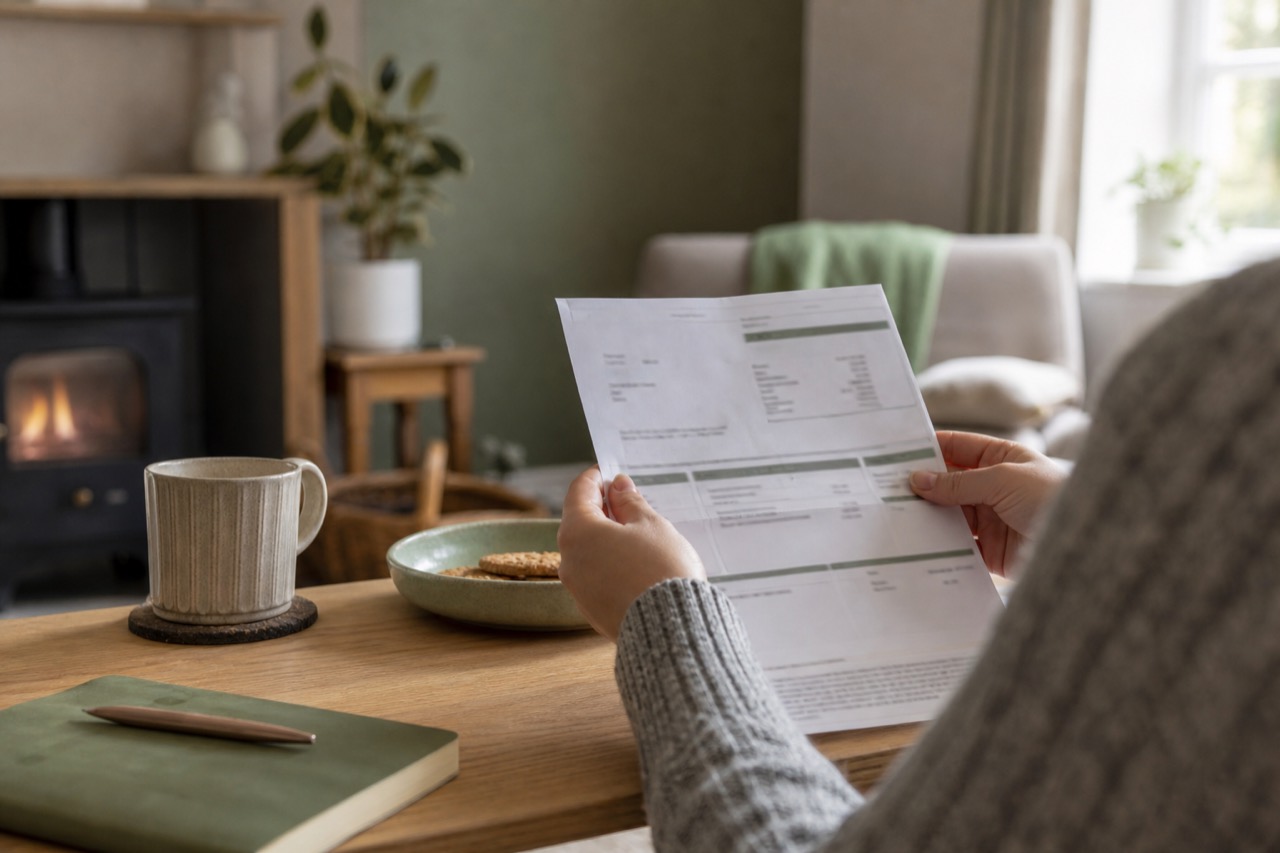
Most households in Great Britain are on a standard variable tariff, which is limited by the Ofgem energy price cap. For 1 October to 31 December 2026, the average Direct Debit rates are:
| Fuel | Unit rate | Standing charge | Standing charge per year |
|---|---|---|---|
| Electricity | 26.32p per kWh | 54.83p per day | about £200 |
| Gas | 7.97p per kWh | 29.68p per day | about £108 |
A few things worth knowing about these numbers:
- They are averages. Your exact rates depend on your region and how you pay.
- The government has cut VAT on electricity from 5% to zero from 1 October 2026 to 31 March 2027. Gas still has 5% VAT.
- Ofgem says the next cap, for 1 January to 31 March 2027, will be announced on 25 November 2026.
Because electricity costs more than three times as much per unit as gas, the same amount of heat from a plug-in heater costs far more than from a gas boiler. Keep that in mind when you read “cheap heating” claims. Our guide to the cheapest ways to heat one room walks through the maths.
Heating: where most of the money goes
Turn the thermostat down a notch
The Energy Saving Trust suggests most people are comfortable between 18°C and 21°C, and estimates that turning the thermostat down by one degree (for example from 22°C to 21°C) could save a typical home in Great Britain around £120 a year. If anyone in your home is older, unwell or has a disability, don’t go below what keeps them safe and warm.
Use a timer and heat the hours you need
Set the heating to come on shortly before you get up and get home, and to go off around 30 minutes before you leave or go to bed. Homes hold heat for a while, so you rarely need it right up to the last minute.
Control room by room
If you have thermostatic radiator valves (the numbered dials on radiators), turn them down in rooms you don’t use much, such as a spare bedroom. Keep doors closed to hold heat where you are.
Bleed radiators and check the boiler pressure
Cold patches at the top of a radiator usually mean trapped air. Bleeding it takes minutes with a radiator key. If you have a combi boiler, check its pressure gauge afterwards and top up if your manual tells you to.
Don’t block radiators
Sofas and long curtains in front of radiators soak up heat. Tuck curtains behind or on the windowsill, and pull them closed at dusk to keep heat in.
Cheap DIY fixes that pay back quickly
Draughts are one of the cheapest problems to fix. The Energy Saving Trust estimates that draught-proofing windows, doors and floors could save around £55 a year in Great Britain, and a chimney draught excluder around £45 a year if you have an unused open fireplace. Materials are inexpensive:
- Self-adhesive draught strips for doors and windows (the Energy Saving Trust quotes around £2 a metre).
- Letterbox brushes or flaps (around £5).
- Door draught excluders for the gap at the bottom of internal and external doors.
- Radiator reflector panels behind radiators on outside walls.
Browse draught excluders on Amazon or self-adhesive draught strips. Renters can do most of this without permanent changes.
One rule: never block air bricks, trickle vents or vents for gas appliances. They’re there for safety and to control damp.
Everyday electricity savings
These are small individually, but they add up across a winter. The Energy Saving Trust’s estimates for a typical household in Great Britain include:
| Habit | Estimated saving per year (GB) |
|---|---|
| Turning appliances off standby | around £45 |
| Drying clothes on a rack or line instead of a tumble dryer | around £50 |
| Washing at 30°C and doing one fewer wash a week | around £26 |
| Turning off lights you’re not using | around £7 |
Other easy wins:
- Only boil what you need in the kettle.
- Use smaller appliances such as a microwave, air fryer or slow cooker for small meals instead of heating a full-size oven. Small appliances heat less space, so they often use less energy for small portions.
- Run the dishwasher and washing machine full, on eco settings where you can.
- Fit LED bulbs when old ones fail.
A plug-in energy monitor or your smart meter display can show which appliances use the most. Browse plug-in energy monitors on Amazon.
Stay warm without heating the whole house
When it’s just you at home during the day, warming yourself is often cheaper than warming every room:
- Wear layers, thick socks and slippers.
- Use a hot water bottle or a low-wattage heated throw while sitting still.
- Have warm drinks and at least one hot meal a day.
Browse electric heated throws on Amazon. Always follow the manufacturer’s safety instructions, check for damage before each use, and never use a heated throw or electric blanket with a hot water bottle.

Check your tariff and supplier
- Compare fixed deals. Ofgem says households on a fixed tariff aren’t affected by cap changes. A fix can give certainty, but compare it against the current cap and check exit fees before signing.
- Ask about other tariffs. Ofgem notes some suppliers offer cheaper electricity at certain times, such as weekends. If you can shift washing or charging, these may help.
- Pay by Direct Debit if it suits you. Under the current cap, a typical Direct Debit bill is about £1,723 a year, compared with about £1,861 on standard credit (paying on receipt of a bill).
- Submit meter readings if you don’t have a working smart meter, so you’re not paying on estimates.
Support you may be able to get
Several schemes help with winter costs. Eligibility depends on your benefits, age and where you live:
- Warm Home Discount: a one-off £150 off your electricity bill for eligible households, usually applied automatically.
- Winter Fuel Payment: between £100 and £300 for people born on or before 27 June 1960 (not in Scotland, which has its own payment).
- Cold Weather Payment: £25 for each 7-day spell of very cold weather between 1 November 2026 and 31 March 2027, for people on certain benefits.
See our full guide to who gets what in 2026/27, and check eligibility on gov.uk or with Citizens Advice.
If you’re struggling to pay
Ofgem says suppliers must help if you ask, for example by agreeing an affordable repayment plan or giving emergency credit on a prepayment meter. Contact your supplier early, before debt builds up. Citizens Advice can help you deal with your supplier and check what grants you could get. Your council may also have crisis help for food and energy costs.
Sources
- Ofgem: Changes to energy price cap between 1 October and 31 December 2026
- Ofgem: Energy price cap unit rates and standing charges
- Energy Saving Trust: Quick tips to save energy
- Energy Saving Trust: Draught-proofing
- GOV.UK: Warm Home Discount Scheme
- GOV.UK: Winter Fuel Payment
- GOV.UK: Cold Weather Payment
- Citizens Advice: Grants and benefits to help you pay your energy bills
Frequently asked questions
Is it cheaper to leave the heating on low all day?
Generally no. The Energy Saving Trust advises that heating your home only when you need it, using a timer, is the better approach for most homes. Heat leaks out all the time, so keeping the house warm when no one is in costs money.
Do electric heaters save money compared with central heating?
Only if you heat one small room for a short time instead of the whole house. Per unit of heat, electricity at 26.32p per kWh costs far more than gas at 7.97p per kWh, so a plug-in heater used for long periods can cost more than gas central heating.
What is the energy price cap for January 2027?
Ofgem will announce the cap for 1 January to 31 March 2027 on 25 November 2026. Until then, any figure you see is a forecast, not the real cap.
Should I fix my energy tariff now?
It depends on the deal on offer, any exit fees and how much certainty you want. Compare the fixed unit rates and standing charges with the current cap rates before deciding. This is general information, not financial advice.
How do I know if I get the Warm Home Discount?
In England and Wales most eligible households get it automatically. If your eligibility isn’t clear from government data, you may get a letter asking you to call the Warm Home Discount helpline. Check the gov.uk page for your nation.
About the author
Daily Offer Deals editorial team
The Daily Offer Deals team checks UK deals by hand and writes practical buying guides. We never claim hands-on testing we have not done.