Ad: this guide contains affiliate links. If you buy through them we may earn commission, at no extra cost to you.
Home & Kitchen
How to Stock Up Sensibly Without Panic Buying
A calm guide to keeping a sensible buffer of household essentials in the UK: what to keep, how much, how to rotate it, and why buying steadily helps everyone.
By Daily Offer Deals editorial teamUpdated 6 min read
On this page 9 sections
Quick answer
Stocking up sensibly means keeping a small buffer of the things you use every week, rather than buying large amounts in a hurry. Aim for roughly a few days to a couple of weeks of everyday basics, add one or two extra items to your normal shop instead of making a special trip, store them where you can see them, and use the oldest first. Buy only what you will genuinely use before it goes out of date, and leave some on the shelf for others. Our essentials hub brings the most useful categories together.
Why panic buying backfires
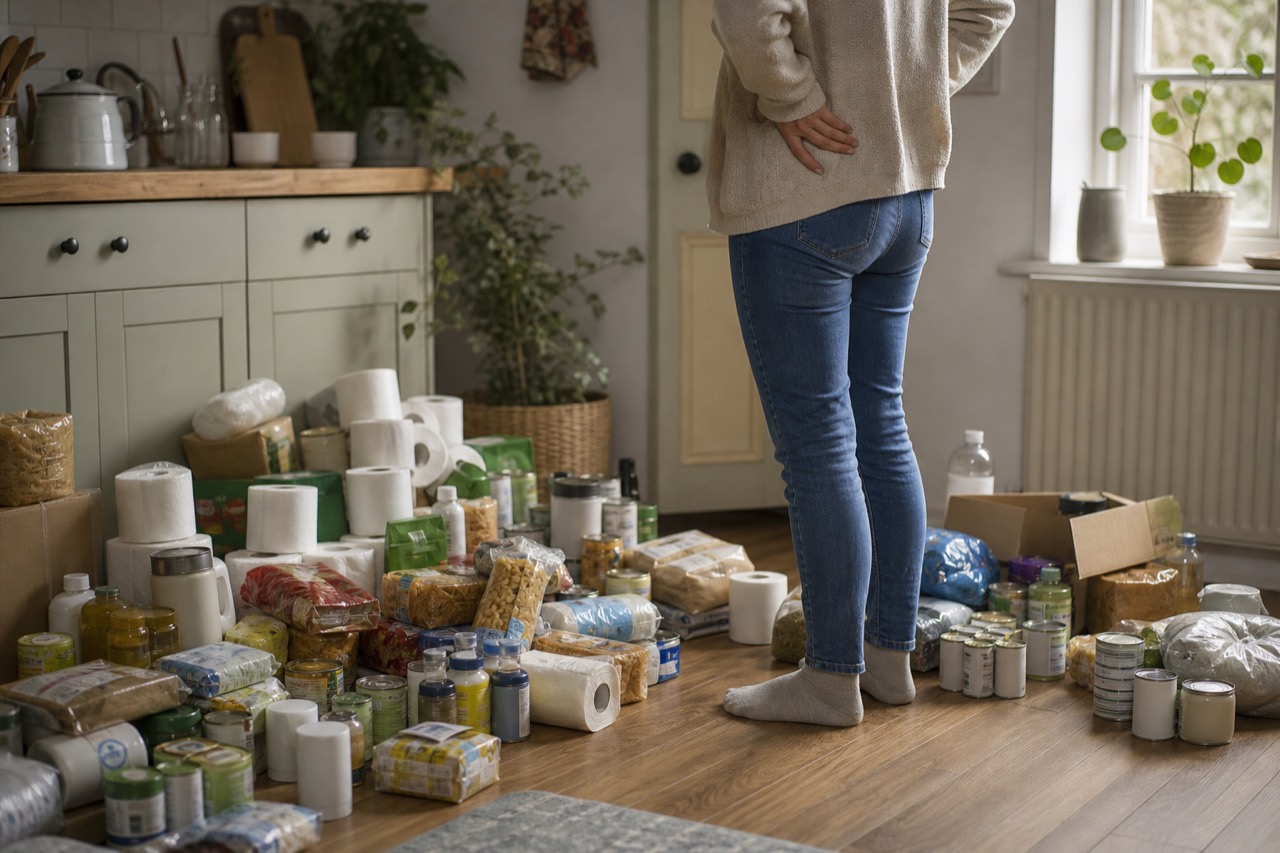
When people rush to buy the same items at the same time, shelves empty quickly even when there is no real shortage. The result is that the people who most need those items, such as older shoppers, carers and anyone who cannot get to the shops often, are the ones who miss out. Panic buying also tends to waste money: food bought in bulk on impulse often goes out of date before it is eaten, and bulky packs crowd cupboards.
A steady approach avoids all of that. Supply chains are designed for normal, predictable demand, and a household that tops up gradually is part of that normal pattern.
What a sensible buffer looks like
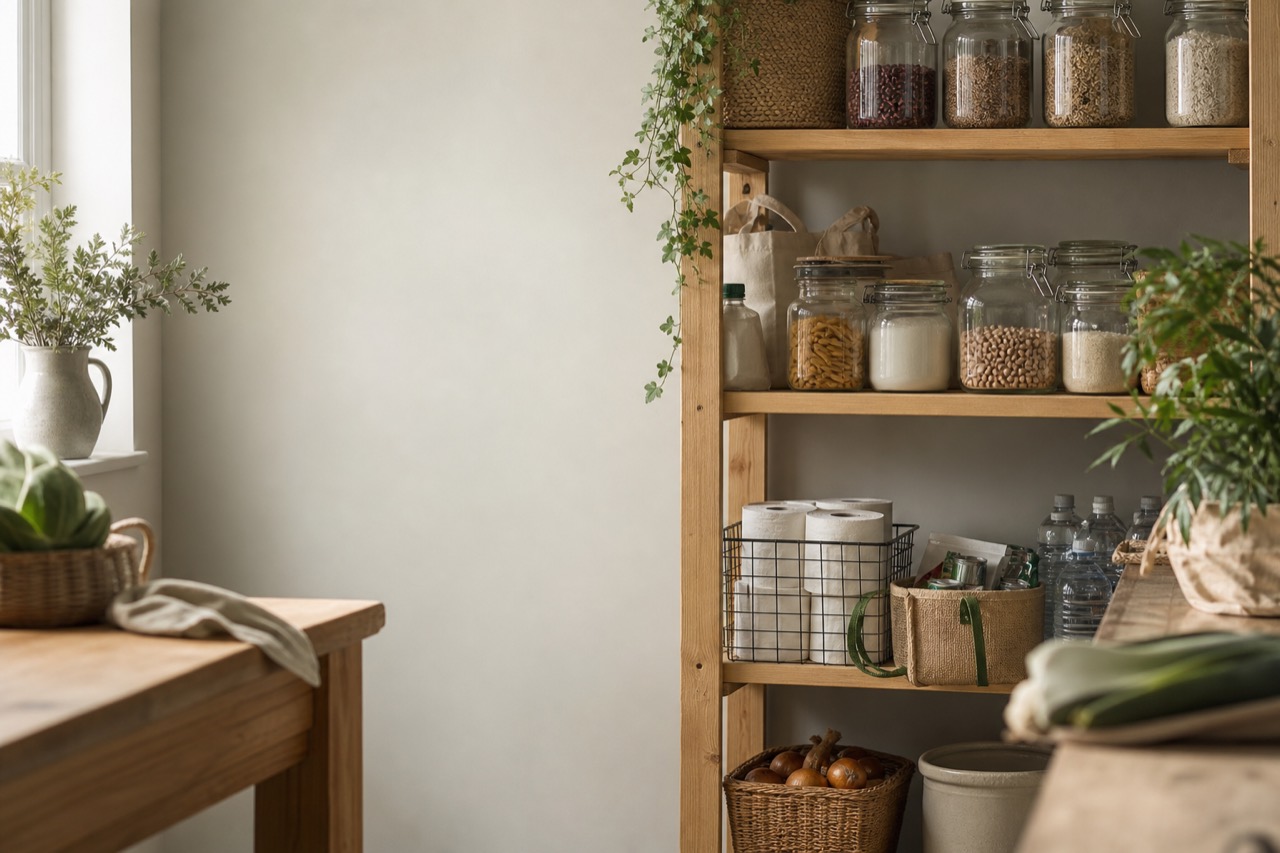
Start from what you actually use, not from what other people are buying. A useful buffer usually covers four areas.
Food cupboard basics
- Tins and jars your household already eats: tomatoes, beans, pulses, fish, soup.
- Dry goods: pasta, rice, oats, flour if you bake.
- A few long-life milk cartons or plant milks if you get through a lot.
- Snacks that keep, especially if you have children.
Household and cleaning
- Laundry and dishwasher products, which keep well and are used steadily. Larger packs such as Fairy Non Bio Washing Liquid Pods, 100 Washes or Finish Powerball Quantum Infinity Shine Dishwasher Tablets can make sense if you already use those products and have safe, dry storage.
- Toilet roll, kitchen roll and bin bags, bought one pack ahead rather than five.
- Washing-up liquid and a general surface cleaner.
Health and hygiene
- Painkillers, plasters and any over-the-counter remedies you rely on.
- Toothpaste, soap, shampoo and sanitary products.
- Repeat prescriptions ordered on time, not early, unless your pharmacy advises otherwise.
Light and power
- Batteries in the sizes your torches, radios and remotes use. Packs such as Energizer Alkaline Power AA Batteries, 32 Pack or Lepro AAA Alkaline Batteries, 100 Pack cover a lot of devices, but only choose a big pack if you genuinely get through that many.
- A charged power bank for phones.
How much is “enough”?
There is no single right number, but these rules of thumb keep things sensible:
- Match your usage. If you use one pack of dishwasher tablets a month, keeping one spare is a buffer. Keeping ten is a stockpile.
- Check the dates. Only buy as much as you will use before the best-before or use-by date.
- Think about space. If extra stock means items are crammed behind each other, you will forget about them and they will go to waste.
- Mind the budget. A buffer should never mean going without this week to buy for later.
Comparison: what to keep a buffer of
| Category | Best for | What to look for | Deal |
|---|---|---|---|
| Laundry pods | Households that wash several loads a week | A product you already use, safe high storage | Fairy Non Bio Pods, 100 Washes |
| Dishwasher tablets | Daily dishwasher users | Works well in your machine, a dry sealed tub | Finish Powerball Quantum Infinity Shine |
| AA batteries | Torches, radios, toys | Sizes your devices actually use | Energizer AA, 32 Pack |
| AAA batteries | Remotes, small torches, gadgets | Large packs only if your house uses lots | Lepro AAA, 100 Pack |
| Stock board | Tracking what you have and what is running low | Easy to update, visible to the whole household | DoorBoard No-Drill Magnetic Whiteboard |
The rotation habit
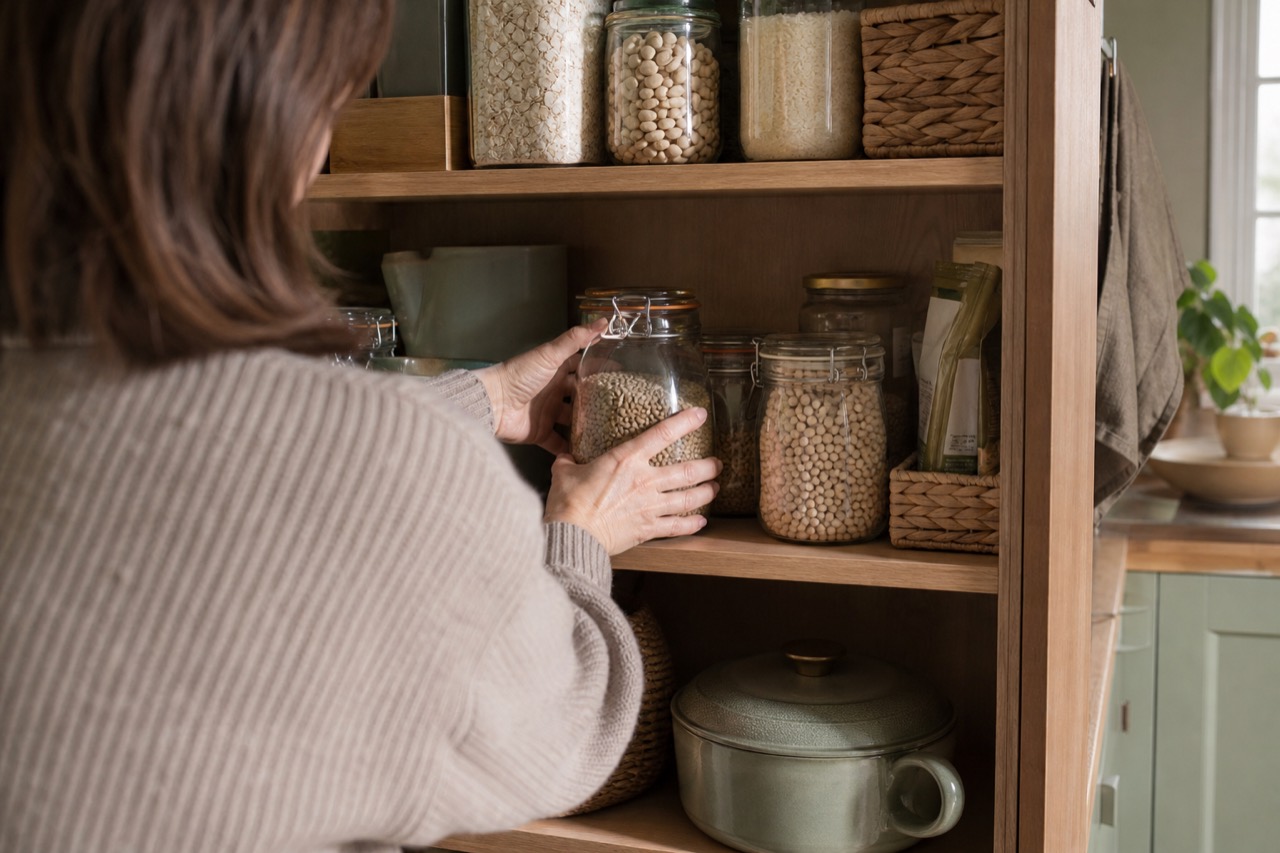
Rotation is the key to a buffer that never goes to waste. It is the same idea shops use: first in, first out.
- When you unpack the shopping, put new items at the back and move older ones to the front.
- Use from the front.
- When you use the last spare of something, add it to the list straight away.
A visible list makes this much easier. A simple board on the inside of a cupboard door or on the fridge, such as the DoorBoard No-Drill Magnetic Whiteboard, 50 x 70 cm, lets everyone in the house jot down what is running low, so nobody buys a fourth pack of something you already have three of.
Buying steadily: a four-week plan
If you are starting from scratch, spreading purchases out keeps costs manageable and avoids adding to demand spikes.
- Week one: two or three extra tins or dry goods with your normal shop.
- Week two: one spare of each cleaning product you use most.
- Week three: batteries and a power bank check.
- Week four: toiletries and first aid top-up.
After a month you will have a comfortable buffer without ever having made a big, stressful shop.
When there is a real disruption
If there is a genuine reason to expect disruption, such as severe weather warnings, the best approach is still calm: buy what you would normally buy for the next few days, check on neighbours who may struggle to get out, and follow official updates. Households that already keep a modest buffer can simply carry on, which leaves more on the shelves for those who could not prepare.
Frequently asked questions
Is buying in bulk the same as panic buying?
Not necessarily. Buying a larger pack of something you use steadily, when it suits your budget and storage, is just planning. Panic buying is a sudden rush for more than you need, usually because other people are doing the same.
How long should a household buffer last?
For most UK households a few days to a couple of weeks of everyday basics is plenty. UK government preparedness advice focuses on being able to manage for three days in an emergency.
What should I avoid stocking up on?
Avoid large amounts of fresh or short-dated food, anything you do not normally use, and medicines beyond what your pharmacist or GP advises. Those are the items most likely to go to waste or be needed by others.
How do I stop extra stock going to waste?
Store it where you can see it, use the oldest first, and keep a running list. A whiteboard on a cupboard door makes rotation easy for the whole household.
About the author
Daily Offer Deals editorial team
The Daily Offer Deals team checks UK deals by hand and writes practical buying guides. We never claim hands-on testing we have not done.