Ad: this guide contains affiliate links. If you buy through them we may earn commission, at no extra cost to you.
Electronics
Smart plugs, smart thermostats and energy monitors: do they actually save money?
Smart gadgets only save money if they change how you use energy. What smart thermostats, smart plugs and energy monitors can and can't do, using Energy Saving Trust advice.
By Daily Offer Deals editorial team7 min read
On this page 8 sections
Quick answer
Smart gadgets only save money if they change how you use energy. A smart thermostat can help if your current heating controls are basic and you use its schedules and room-by-room features, but the Energy Saving Trust says whether smart heating controls save you money depends on how you control your heating now. Smart plugs don’t save energy by themselves and use a little standby power of their own, but they can help by switching devices fully off on a schedule. Energy monitors and smart meter in-home displays don’t cut usage directly, but they show you where your money goes so you can act on it.
Smart home kit is everywhere in the run-up to Black Friday and Cyber Monday. Before you buy, it’s worth understanding what each type of gadget can and can’t do for your bills.
What each gadget actually does
| Gadget | What it does | Can it save money? | Best for |
|---|---|---|---|
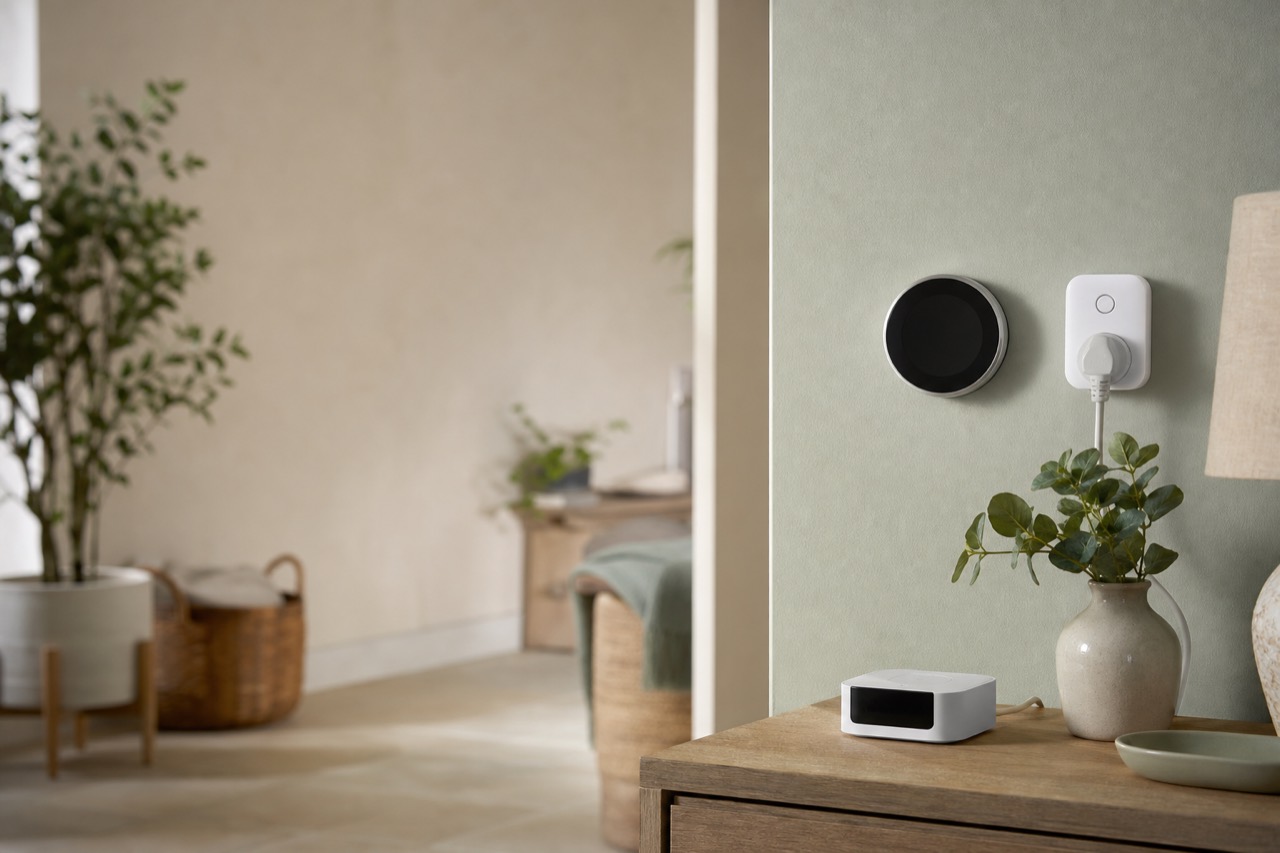
| Smart thermostat | Controls your heating from an app, with schedules and sometimes presence detection | Possibly, depending on your current controls and habits | Homes with only a basic timer or dial thermostat; irregular routines |
| Smart radiator valves (smart TRVs) | Control the temperature of individual radiators | Possibly, by not heating rooms you’re not using | Homes with rooms used at different times |
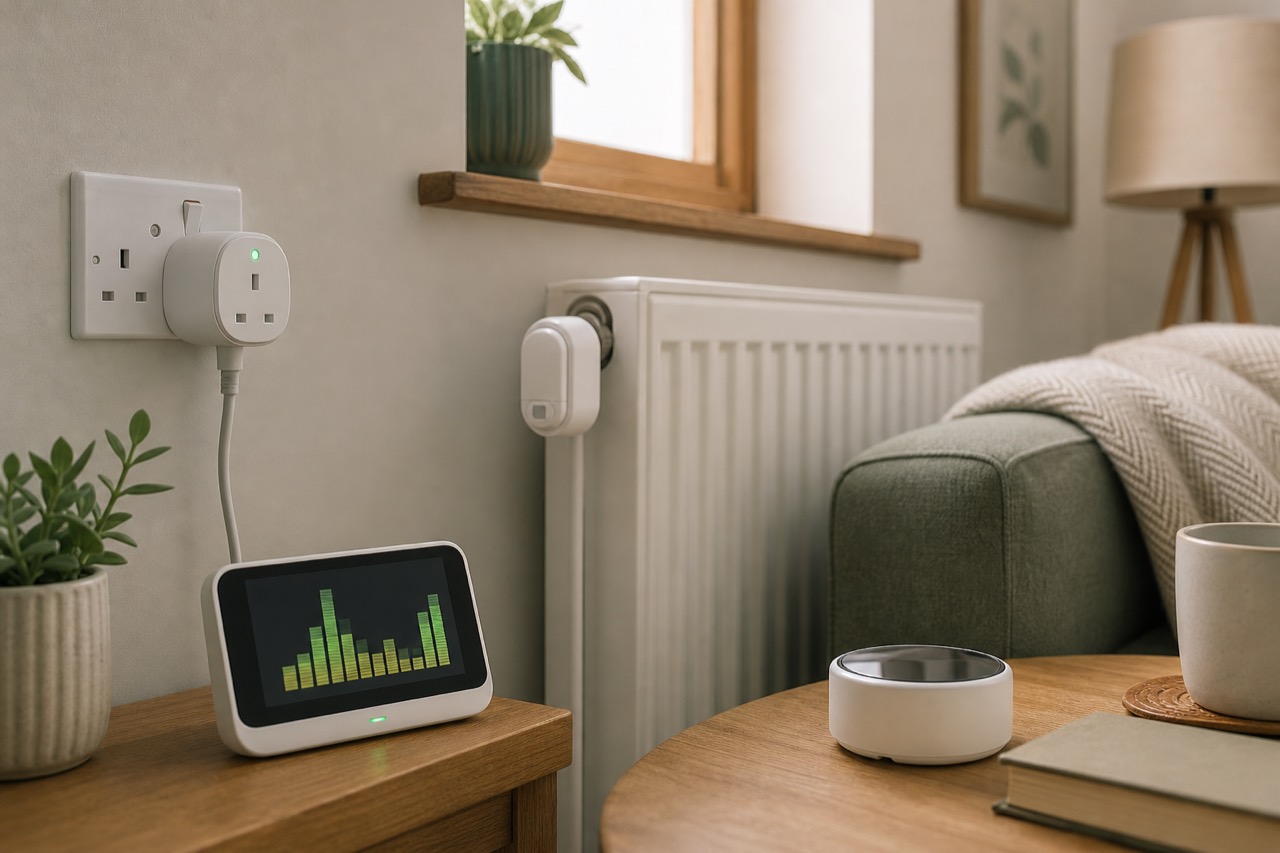
| Smart plug | Switches a socket on and off from an app or schedule | Only if it changes behaviour, such as cutting standby | Devices left on standby; lamps; timed appliances |
| Energy monitor / smart meter display | Shows your energy use in near real time | Indirectly, by helping you spot waste | Anyone wanting to understand their usage |
Smart thermostats
How they can help
A smart thermostat replaces or upgrades your existing heating controls. Features vary, but can include:
- Schedules you set and change from your phone.
- Remote control, so you can turn the heating off if you’re out unexpectedly.
- Geofencing (presence detection), using your phone’s location to tell when you’ve left or are on your way home.
- Weather compensation or learning features on some models.
- Zoning with smart radiator valves, so each room can have its own temperature.
Why savings aren’t guaranteed
The Energy Saving Trust is careful on this point. Its guidance says smart controls might reduce energy use by turning the heating off or down at the right times, but they could also increase use, for example if you end up turning the heating on earlier or higher because it’s so easy from your phone. Whether you save money depends on how you control your heating now.
In practice, the biggest gains tend to come for people who:
- currently have only a simple timer or no room thermostat at all
- have irregular routines, such as shift work or hybrid working
- are willing to set schedules and leave them alone
If you already have a room thermostat, a programmer and thermostatic radiator valves (TRVs), and use them well, the extra saving from going smart may be small. The Energy Saving Trust recommends a full set of controls and setting each TRV to the lowest setting that keeps a room comfortable.
Before you buy a smart thermostat
- Check compatibility with your boiler or heat pump. Combi, system and heat-pump setups differ.
- Decide if you need professional installation. Some can be fitted yourself if replacing an existing thermostat; others need a heating engineer. Anything involving mains wiring or your boiler should be done by a competent person.
- Check app and security support. Connected products sold in the UK must state how long they’ll receive security updates under the PSTI regime.
- Comfort and health first. The Energy Saving Trust is clear that comfort and health should take priority over savings, especially for vulnerable people.
Browse smart thermostats and smart radiator valves, checking compatibility with your system before ordering.
Smart plugs
The honest truth
A smart plug is a switch you control from your phone or a schedule. It doesn’t make any appliance more efficient. In fact, a smart plug uses a small amount of power itself to stay connected. The Energy Saving Trust notes a similar point for smart bulbs, which draw a small amount of standby power all the time.
Where they can help
- Cutting standby power. The Energy Saving Trust advises switching appliances off at the plug rather than leaving them on standby. A smart plug can do this automatically, for example turning off a TV, games console and soundbar at night.
- Timed charging. Switching off chargers once devices have had enough time to charge.
- Lamps and lights, so they’re never left on all day.
- Energy monitoring. Some smart plugs report how much electricity the connected device uses, which can be eye-opening.
When to avoid them
- High-power appliances. Check the plug’s maximum rating. Many are rated at 13A, but not all are designed for continuous high loads.
- Heaters and other heat-producing appliances. Many appliance and smart-plug makers advise against using smart plugs with portable heaters. Follow the manufacturer’s instructions.
- Fridges and freezers. These need to stay on.
- Devices that need to stay powered for updates or recordings, such as some routers and set-top boxes.
Browse smart plugs with energy monitoring, and check the maximum load and UK safety markings.
Energy monitors and smart meters
Smart meter in-home displays
If you have a smart meter, your energy supplier should offer an in-home display (IHD) that shows your usage and cost in near real time. You don’t need to buy one separately. Ask your supplier if you don’t have one.
Plug-in and clamp monitors
Separate energy monitors range from plug-in meters (for one appliance) to whole-house clamp monitors. They’re useful for:
- Spotting energy hogs, such as an old freezer or a tumble dryer used daily.
- Seeing your baseline, the power your home uses when “nothing’s on”.
- Testing changes, for example how much difference switching off standby makes.
A plug-in energy meter is a low-cost way to find out what individual appliances use.
Monitors don’t save money on their own
Seeing your usage only helps if you act on it. Pick one or two changes at a time and use the monitor to check the effect.
Will it pay for itself?
Ask three questions before buying:
- What will it change? If you can’t name a specific habit it will change, it’s a gadget, not a saving.
- What does it cost up front? Include installation, extra radiator valves or hubs.
- Could a free change do the same? Turning appliances off at the wall, using your existing timer and TRVs well, and closing curtains at dusk cost nothing.
If you’re shopping in the Cyber Monday deals, match the exact model, check compatibility, and compare with the recent price.
Frequently asked questions
Do smart thermostats really save money?
They can, but it depends on how you control your heating now. The Energy Saving Trust says smart controls may help by reducing heating when it isn’t needed, but could also increase use if they make it easier to turn the heating up. The biggest gains are usually for homes with basic controls.
Do smart plugs save electricity?
Not by themselves. They use a little power to stay connected. They can help if you use them to turn devices fully off instead of leaving them on standby, or to stop chargers and lamps running when they don’t need to.
Is it safe to use a smart plug with a heater?
Many manufacturers advise against it. Portable heaters draw a lot of power and can be a fire risk if switched on remotely when no one’s around. Always follow the heater’s and smart plug’s instructions.
Do I need to buy an energy monitor if I have a smart meter?
Usually not. Your supplier should offer a smart meter in-home display. A plug-in meter can still be useful for checking individual appliances.
Can I fit a smart thermostat myself?
Some models are designed for DIY fitting, especially if you’re replacing an existing thermostat. Others need a professional. Anything involving mains wiring or your boiler should be fitted by a competent, qualified person.
About the author
Daily Offer Deals editorial team
The Daily Offer Deals team checks UK deals by hand and writes practical buying guides. We never claim hands-on testing we have not done.