Ad: this guide contains affiliate links. If you buy through them we may earn commission, at no extra cost to you.
Food & Grocery
How to cut your food shopping bill: loyalty prices, own brands and yellow stickers
A practical system for spending less at the supermarket: meal planning, unit prices, loyalty prices, own brands, reduced-to-clear stickers and freezing food before its use-by date.
By Daily Offer Deals editorial team7 min read
On this page 11 sections
Quick answer
The biggest savings at the supermarket come from planning (a meal plan and a list), comparing unit prices rather than pack prices, dropping down a brand level on everyday items, using loyalty prices only on things you’d buy anyway, and buying reduced-to-clear yellow sticker food you can eat or freeze before its use-by date. Then waste less of what you’ve bought.
Start before you get to the shop
Plan the week
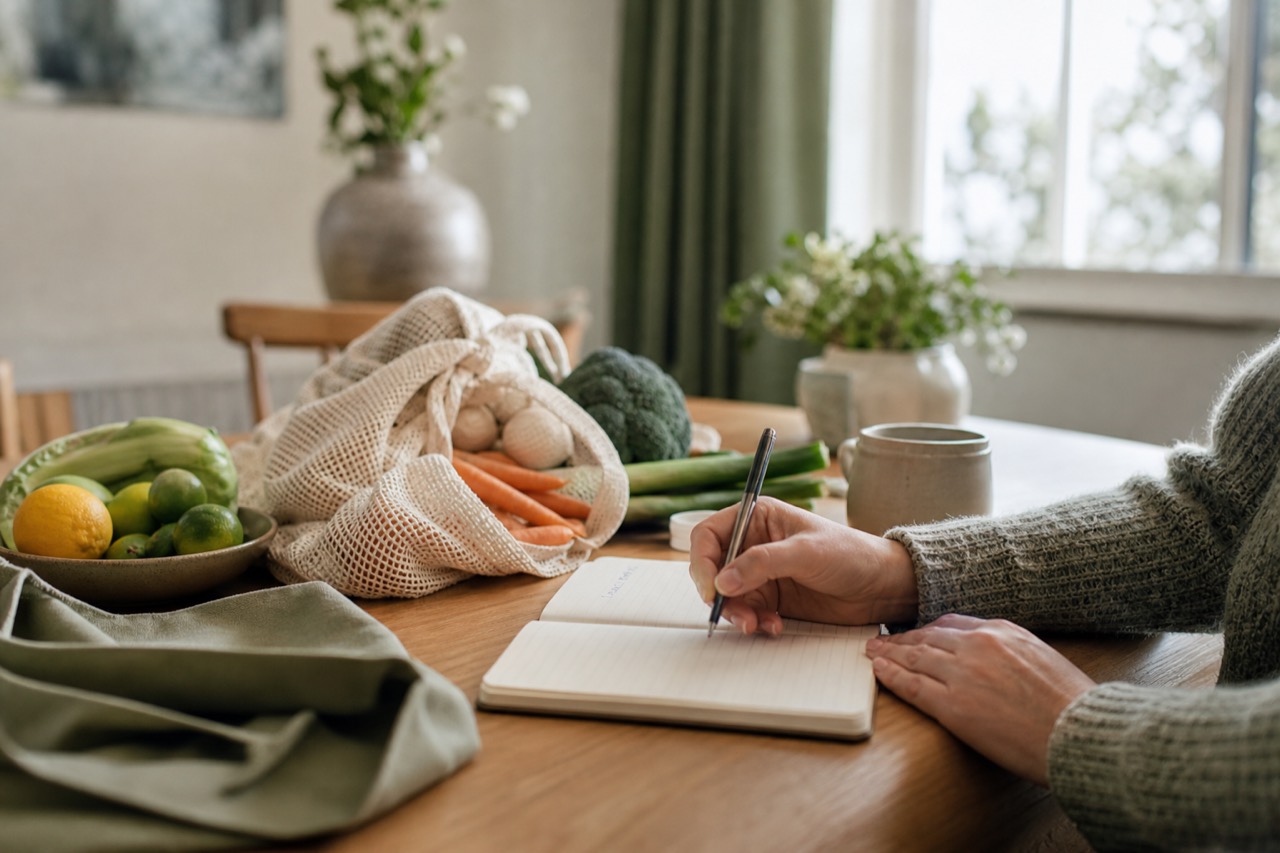
A meal plan doesn’t need to be fancy. Write down five or six dinners, using what you already have first. Build in one “leftovers” night and one “freezer” night. Then write a list from the plan, grouped by aisle so you don’t wander.
Check what you have
Look in the fridge, freezer and cupboards before you write the list. It’s surprisingly common to buy something you already have at the back of a cupboard.
Set a budget and track it
Decide on a weekly food budget, and keep the receipt or check your app after each shop. If you’re over, look at which items pushed you over rather than cutting everything.
Small weekly savings add up fast:
| Weekly saving | Over a year |
|---|---|
| £3 | £156 |
| £5 | £260 |
| £10 | £520 |
| £15 | £780 |
Compare unit prices, not pack prices
The unit price is the price per kilogram, per litre, per 100g or per item, usually shown in smaller print on the shelf label. It’s the only fair way to compare a big bag with a small one, or a branded product with an own-brand one.
Updated Price Marking Order rules came into force in Great Britain on 6 April 2026. Government guidance says they aim to make unit pricing clearer and more consistent, including how prices are shown for promotions. Even so, check the units match (per 100g vs per kg) before comparing.
Watch out for:
- Bigger isn’t always cheaper. Sometimes a smaller pack or multipack has a lower unit price, especially when it’s on offer.
- Multibuys you won’t use. “3 for 2” only saves money if you’d have eaten all three before they go off.
- Loose vs packaged produce. Loose fruit and veg can be cheaper per kg and let you buy exactly what you need.
Loyalty prices: use them, don’t chase them
Many supermarkets now show two prices: a standard one and a lower one for loyalty scheme members. Signing up is usually free, so it’s worth having the card or app for the shops you use.
To make loyalty prices work for you:
- Only count it as a saving if it’s on your list. A member price on something you didn’t plan to buy isn’t a saving.
- Compare the member price with other shops’ normal prices. A discounter’s everyday price may still be lower.
- Check the unit price on the member price label too.
- Use points and vouchers. Points that expire unused are money left on the table.
- Think about your data. Loyalty schemes collect your shopping data. Read the privacy settings and decide what you’re comfortable with.
Own brands: drop a level
Most supermarkets have three tiers: premium own brand, standard own brand and a value or “essentials” range. Branded products sit alongside them.
Try the “drop a level” test: next time you buy a regular item, buy one tier lower. If your household can’t tell the difference, stick with it. Good candidates include:
- Tinned tomatoes, beans and pulses
- Pasta, rice and flour
- Frozen vegetables
- Cleaning products and bin bags
- Cereal and oats
Keep your favourite brands where you notice the difference. It’s about cutting where it doesn’t matter to you.
Our everyday essentials page tracks lower prices on household basics too.
Yellow stickers and reduced-to-clear food
Food approaching its use-by date is often reduced, sometimes heavily, late in the day. Times vary by store, so it’s worth noticing when your local branch tends to reduce.
The rules for using it safely:
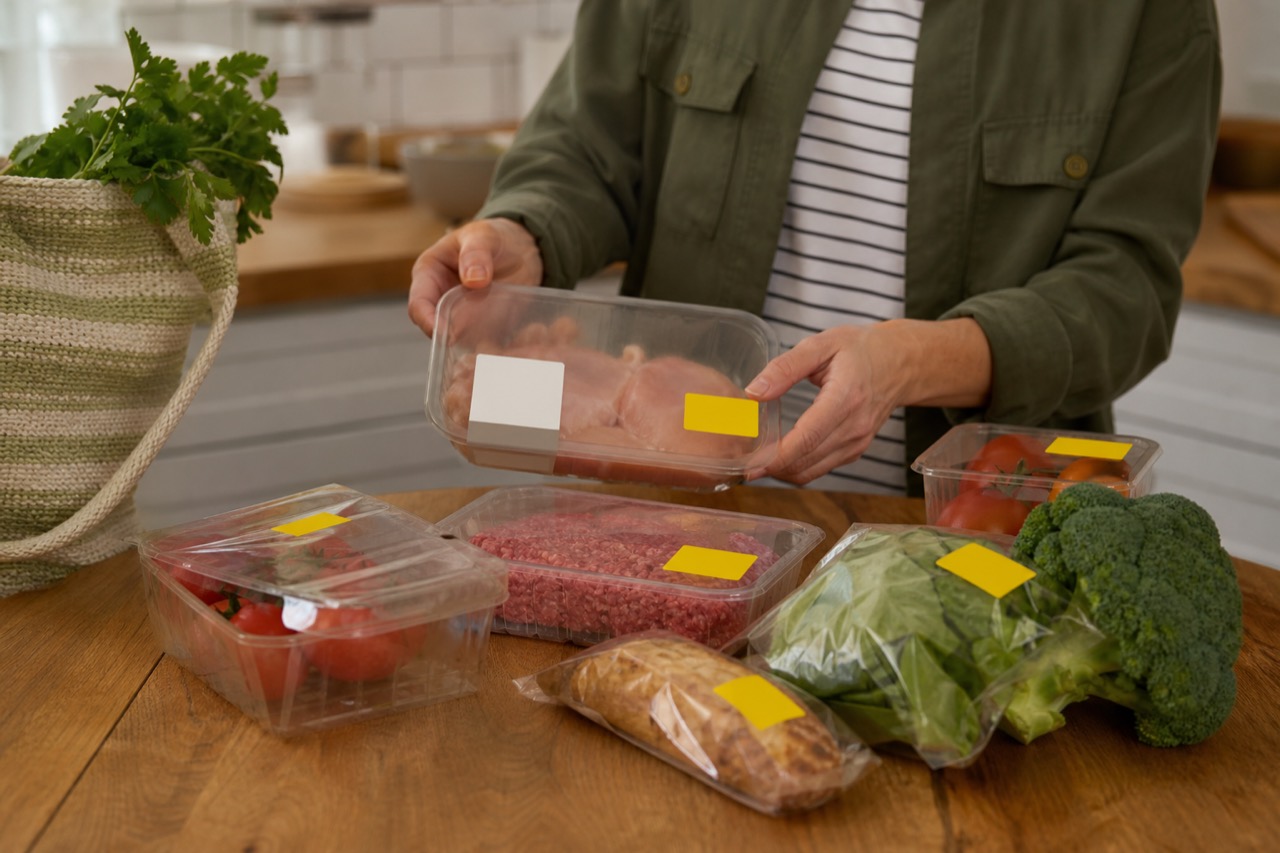
- Use-by dates are about safety. Eat or freeze reduced food by its use-by date. Food Standards Agency guidance says you can freeze food right up until midnight on the use-by date.
- Best before dates are about quality, not safety. Food can be eaten after its best before date, though it may not be at its best.
- Only buy what you can use. A reduced chicken you won’t cook or freeze in time is money in the bin.
- Have a freezer plan. Bread, meat, fish and many dairy items freeze well. Label everything with what it is and the date. Browse freezer bags on Amazon and freezer labels.
Other ways to spend less
- Shop less often. Fewer trips means fewer impulse buys.
- Online shopping can help because you can see your running total and avoid tempting aisles. Watch delivery charges and minimum spends.
- Try frozen and tinned fruit and veg. They’re often cheaper and last much longer.
- Cook from scratch with cheap staples: lentils, beans, eggs, oats, potatoes and seasonal veg.
- Batch cook. See our guide to batch cooking a week of freezer meals.
- Check if you qualify for help. Healthy Start (Best Start Foods in Scotland) can help pregnant people and families with young children buy milk, fruit and vegetables if they meet the conditions.
A simple weekly routine
Turn the ideas above into a 20-minute habit:
- Friday or Saturday: check the fridge, freezer and cupboards, and note what needs using up.
- Plan five or six meals around those items, plus one leftovers night.
- Write the list by aisle, and add the price you expect to pay for regular items.
- Shop once, with the list, after eating. Check unit prices and member prices only for items on the list.
- Unpack with “first in, first out” in mind, and freeze anything you won’t use in time.
- Check the receipt against your budget, and note one thing to change next week.
Waste less of what you buy
Food you throw away is money you’ve spent for nothing. Keep your fridge between 0°C and 5°C and your freezer around -18°C, as the Food Standards Agency advises, and use the “first in, first out” rule: move older food to the front. Love Food Hate Waste has recipes for using up leftovers. Our food storage guide has more detail.
Frequently asked questions
Are loyalty prices really cheaper?
They’re lower than the same shop’s standard price, but that doesn’t always make them the cheapest option. Compare the member price with other shops’ everyday prices, and only count it as a saving if the item was already on your list.
When do supermarkets put out yellow stickers?
It varies by store and day, and stores don’t all follow the same schedule. Many shoppers find reductions later in the day. Ask staff or notice the pattern at your local branch.
Is it safe to eat food bought on its use-by date?
Yes, if you eat it, cook it or freeze it by midnight on the use-by date and store it correctly. Don’t eat food after its use-by date, even if it looks and smells fine.
Are own-brand products lower quality?
Not necessarily. Quality varies by product, so try a tier lower on things you buy often and keep the ones you’re happy with.
What is a unit price?
It’s the price per standard amount, such as per kg, per litre or per item. It lets you compare different pack sizes and brands fairly.
About the author
Daily Offer Deals editorial team
The Daily Offer Deals team checks UK deals by hand and writes practical buying guides. We never claim hands-on testing we have not done.