Ad: this guide contains affiliate links. If you buy through them we may earn commission, at no extra cost to you.
Beauty & Health
At-Home IPL Hair Removal: What to Know Before You Buy
Thinking about an at-home IPL device? Start with safety: who it suits, skin and hair colour limits, patch testing and what realistic results look like.
By Daily Offer Deals editorial teamUpdated 6 min read
On this page 10 sections
Quick answer
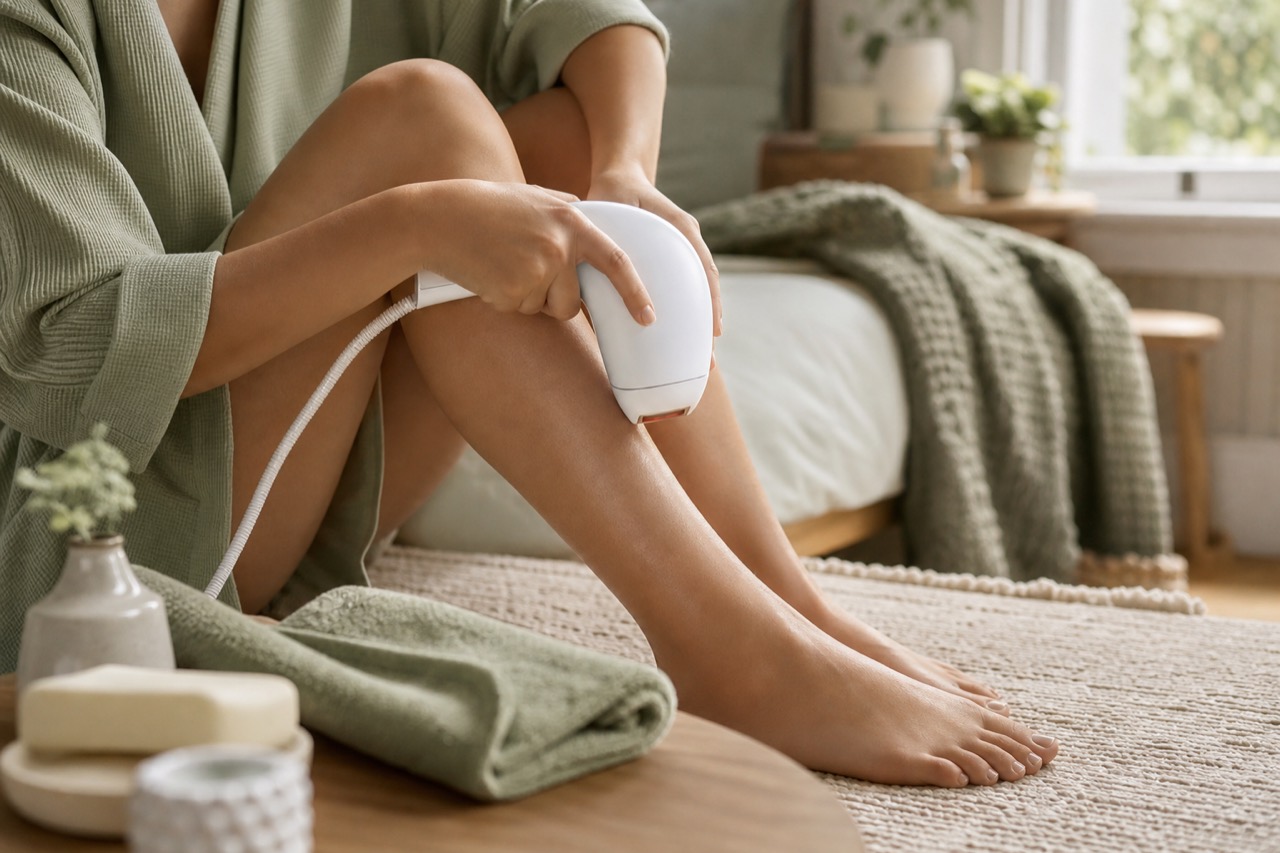
At-home IPL (intense pulsed light) devices use flashes of light to target the pigment in hair, aiming to reduce regrowth over repeated sessions. They do not suit everyone. Manufacturers say IPL does not work on light blonde, red, grey or white hair, and is not suitable for very dark skin tones because of the risk of burns or pigment changes. Always check the skin tone and hair colour chart in the user manual, do a patch test and wait 24 hours, and avoid tattoos, moles and broken skin. If you have a skin condition, are pregnant or take light-sensitising medication, ask your GP or pharmacist first.
How IPL works, in plain English
IPL devices send out a broad spectrum of light. The pigment (melanin) in the hair absorbs it and turns it into heat, which is intended to affect the hair follicle and slow regrowth. That is why contrast matters: the device needs darker hair to target, and skin that does not absorb too much of the light itself.
Results are gradual. Manufacturers typically describe an initial phase of regular treatments followed by top-up sessions to maintain results. Exact schedules vary by device, so follow your model’s instructions rather than doing more sessions to speed things up.
IPL is not the same as professional laser hair removal, and at-home devices are designed to be lower powered than clinic equipment. Results vary from person to person, and IPL is generally described as hair reduction rather than permanent removal.
Safety first: who IPL is and isn’t for
Hair colour
According to Philips, IPL relies on melanin in the hair. Blonde, grey and white hair contain little or none, and red hair contains a type of melanin that does not respond well. Philips says its Lumea devices are not suitable for light blonde, white, grey or red hair. Darker hair tends to respond best.
Skin tone
IPL is not suitable for very dark skin, which absorbs more light and is at greater risk of burns, blisters or discolouration. Each device has a skin tone chart in its manual showing which tones it is designed for. Some models also include a skin tone sensor that stops the device flashing if skin appears too dark. Philips notes that this sensor blocks flashing but does not adjust the intensity for you, so you still need to choose the right setting.
Areas to avoid
Manufacturer guidance says not to use IPL on:
- Tattoos or permanent make-up
- Moles, freckles, birthmarks or dark spots
- Warts, lesions, cuts or irritated skin
- Piercings (remove jewellery first)
- Around the eyes
Health conditions and medicines
Manufacturers advise against using IPL if you have certain conditions, which can include skin cancer or suspicious lesions, epilepsy with light sensitivity, some vascular or skin disorders, and light-sensitive skin allergies. Some medications make skin more sensitive to light. Use is also usually advised against during pregnancy and breastfeeding. The full list is in the manual; read it before your first session, and ask your GP or pharmacist if anything applies to you.
Tanning
Recently tanned skin can react more strongly. Avoid sunbathing and sunbeds around treatment times, and follow your device’s guidance on how long to wait after sun exposure.
The patch test: don’t skip it
Before treating any area, Philips’ instructions suggest a skin test: choose a nearby area, use a single flash at the lowest setting recommended for your skin tone, then wait 24 hours and check for any reaction. If your skin looks normal, you can carry on, using the setting that feels comfortable. If you see redness that lasts, blistering or discolouration, stop and seek advice.
Repeat a patch test on each new body area and whenever your skin has changed, for example after a holiday.
What to look for in a device
| Criteria | Why it matters | What to check |
|---|---|---|
| Skin tone chart | Tells you whether it is designed for your skin | The chart in the user manual |
| Skin tone sensor | Adds a safety check before flashing | Whether your model has one and how it works |
| Intensity levels | Lets you start low and adjust comfortably | Number of settings and guidance per skin tone |
| Attachments | Smaller windows for face or bikini line | Which areas the attachments are approved for |
| Corded or cordless | Convenience versus uninterrupted sessions | How it charges and how long it runs |
| Lamp life | Affects how long the device lasts | The manufacturer’s stated flash count |
The deal on our radar
| Product | Best for | What to look for | Deal |
|---|---|---|---|
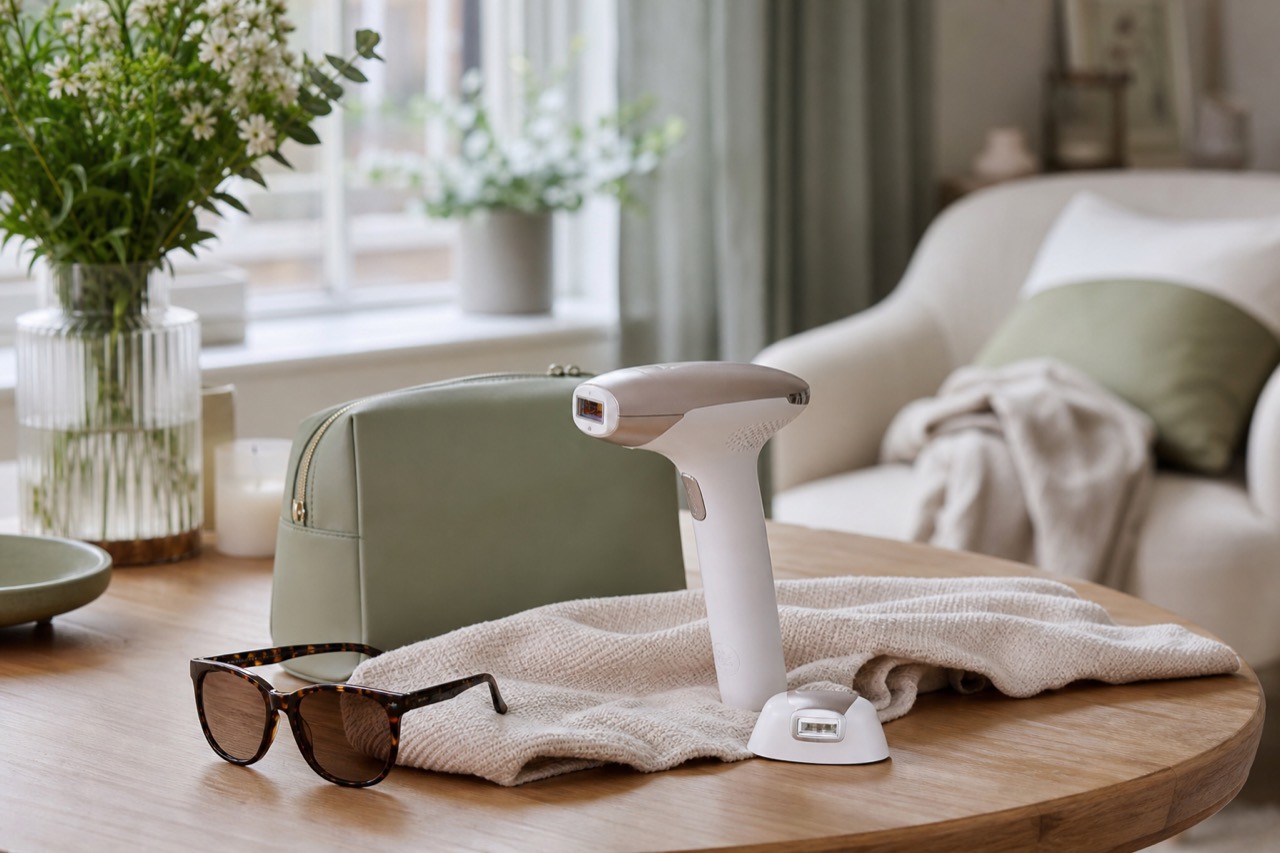
| Philips Lumea 8000 Series IPL Hair Removal Device | People whose skin tone and hair colour fall within Philips’ suitability chart | The included attachments, skin tone sensor and full safety guidance in the listing and manual | Philips Lumea 8000 Series IPL Hair Removal Device |
Before buying, check the official suitability chart for this model on the Philips website. If you are outside the recommended range, IPL is unlikely to work for you and may not be safe.
Preparing for a session
- Shave the area beforehand. IPL targets the hair below the surface, so it should not be used over long hair. Avoid waxing or epilating during treatment, as these remove the hair the light needs to target.
- Clean and dry the skin. No lotions, deodorant or make-up on the area.
- Check for cuts, spots or irritation and skip those areas.
- Start at a lower setting and only increase if comfortable, staying within the range recommended for your skin tone.
- Protect your eyes. Never look directly into the flash and follow the device’s eye safety advice.
Aftercare
Mild warmth or slight redness can happen and often settles quickly. Follow the manual’s aftercare advice, avoid sun exposure on treated areas and use sunscreen. If you develop blisters, burns, lasting redness or changes in skin colour, stop using the device and speak to a pharmacist or GP.
Is at-home IPL worth it?
If your hair is dark and your skin tone is within the device’s range, at-home IPL may reduce regrowth and save time on shaving, though results take patience and regular top-ups. If your hair is light or red, or your skin is very dark, it is not the right tool. Shaving, trimming or talking to a qualified professional about other options would be a better route.
FAQ
Is at-home IPL permanent?
IPL is generally described as long-lasting hair reduction rather than permanent removal. Most devices recommend regular top-up sessions to maintain results.
Can I use IPL on my face?
Some devices include a facial attachment approved for areas below the cheekbones, such as the upper lip and chin. Never use IPL around the eyes, and follow your model’s guidance on which facial areas are approved.
Does IPL hurt?
Many people describe a warm, snapping sensation. Starting at a lower setting can help. Pain, blisters or burns are not normal; stop and seek advice if they happen.
Who should not use at-home IPL?
People with hair or skin outside the device’s suitability chart, and anyone with conditions or medicines listed in the manual’s warnings. If you are pregnant, breastfeeding or unsure about a health condition, ask your GP first.
About the author
Daily Offer Deals editorial team
The Daily Offer Deals team checks UK deals by hand and writes practical buying guides. We never claim hands-on testing we have not done.