Ad: this guide contains affiliate links. If you buy through them we may earn commission, at no extra cost to you.
Beauty & Health
Oral-B iO vs Philips Sonicare: How to Choose an Electric Toothbrush
Oscillating or sonic? A clear, honest guide to choosing between Oral-B iO and Philips Sonicare, with the features that matter and the ones you can skip.
By Daily Offer Deals editorial teamUpdated 6 min read
On this page 11 sections
Quick answer
Oral-B iO and Philips Sonicare are both well-regarded electric toothbrush ranges. The main difference is how they move: Oral-B uses a small round head that oscillates and rotates, while Sonicare uses a traditional-shaped head that vibrates side to side at high speed. Neither is “better” for everyone. Choose the feel you prefer, check the cost and availability of replacement heads, and look for a pressure sensor and two-minute timer. Whatever you pick, the NHS basics still apply: brush twice a day with fluoride toothpaste.
Start with the basics: how you brush matters most
Before comparing brands, it helps to know what dental guidance actually asks of you. NHS advice is to brush your teeth twice a day with fluoride toothpaste, and many NHS trusts recommend about two minutes each time, last thing at night and on one other occasion. Spit out after brushing rather than rinsing, so the fluoride stays on your teeth, and clean between your teeth daily with floss or interdental brushes.
An electric toothbrush can make good habits easier, thanks to timers and pressure alerts, but it is the routine that does the work. If you have sensitive teeth, gum problems, braces or implants, ask your dentist or hygienist which brush and head they would suggest for you.
Oscillating vs sonic: what’s the difference?
Oral-B iO (oscillating-rotating)
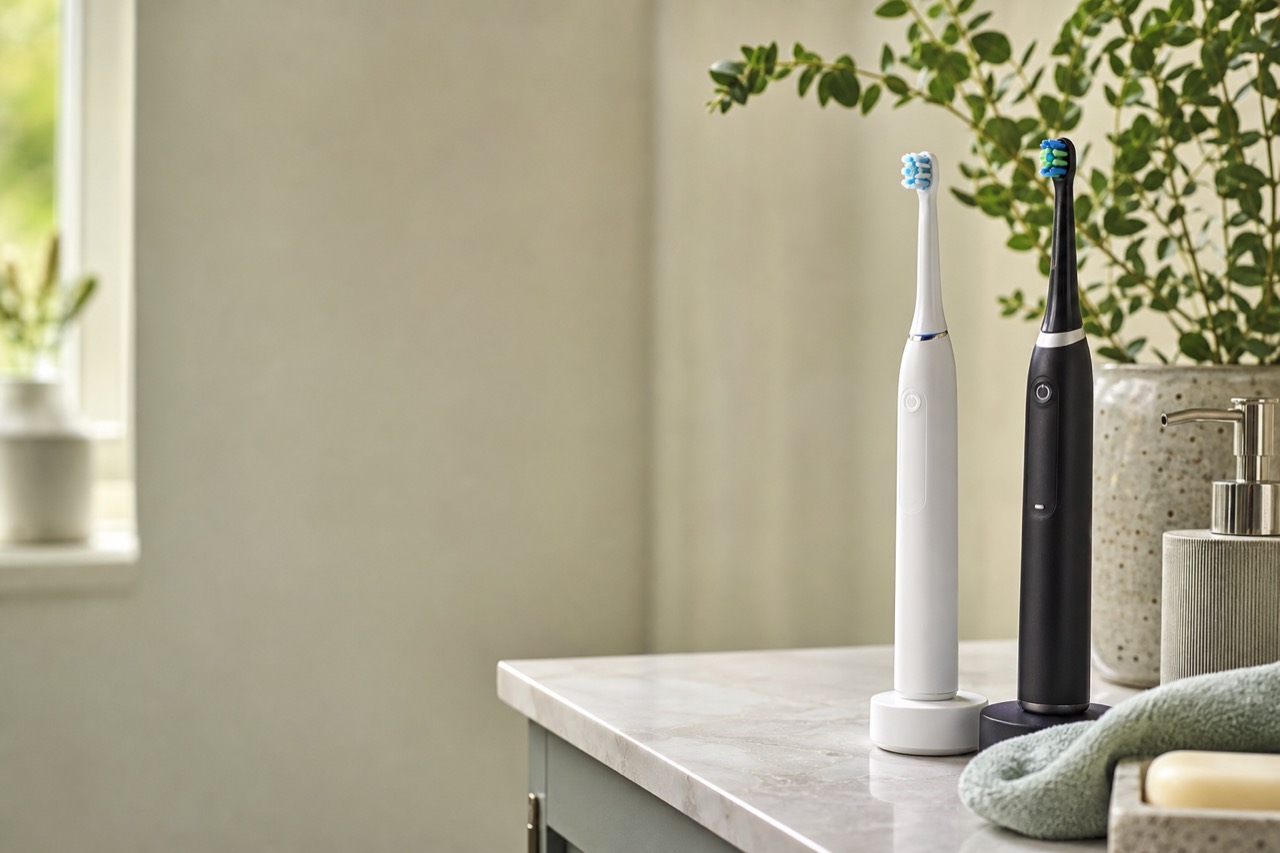
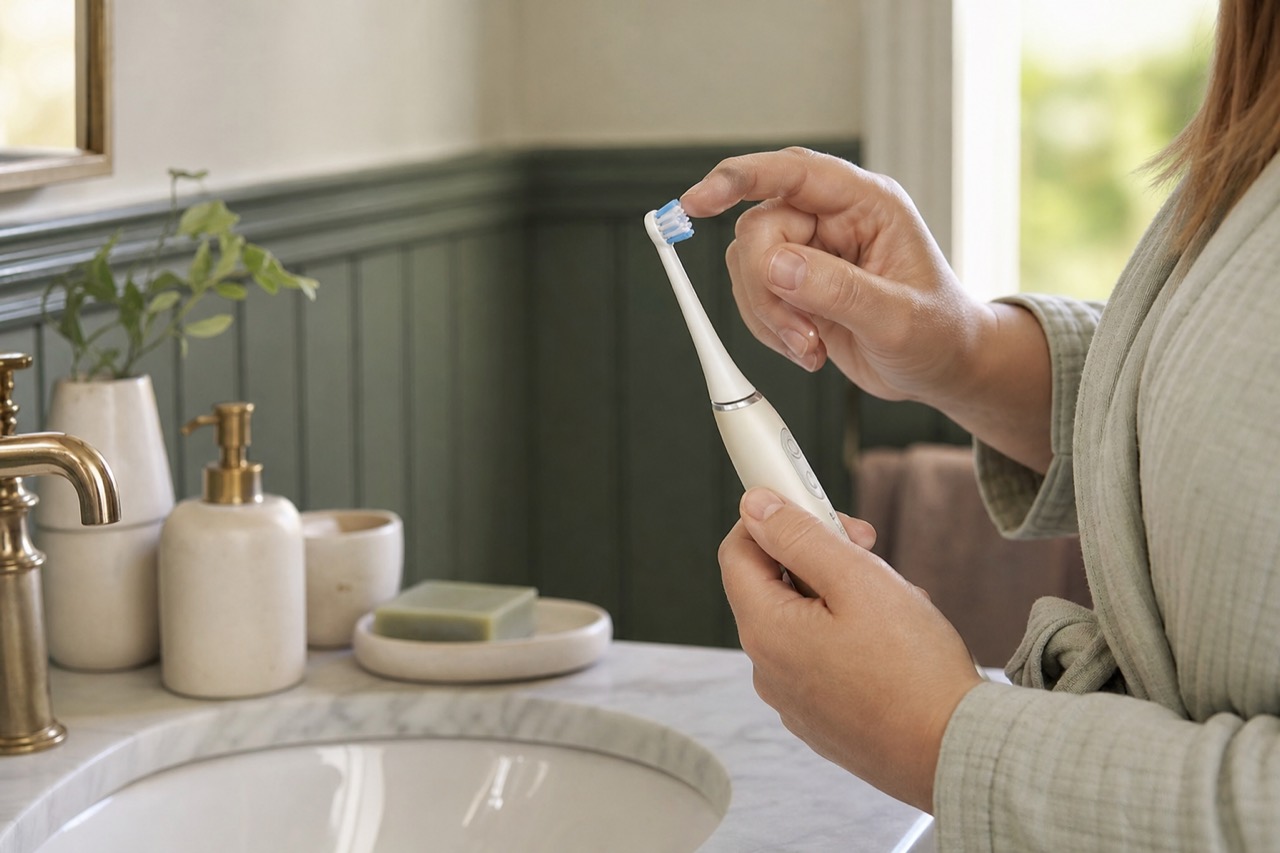
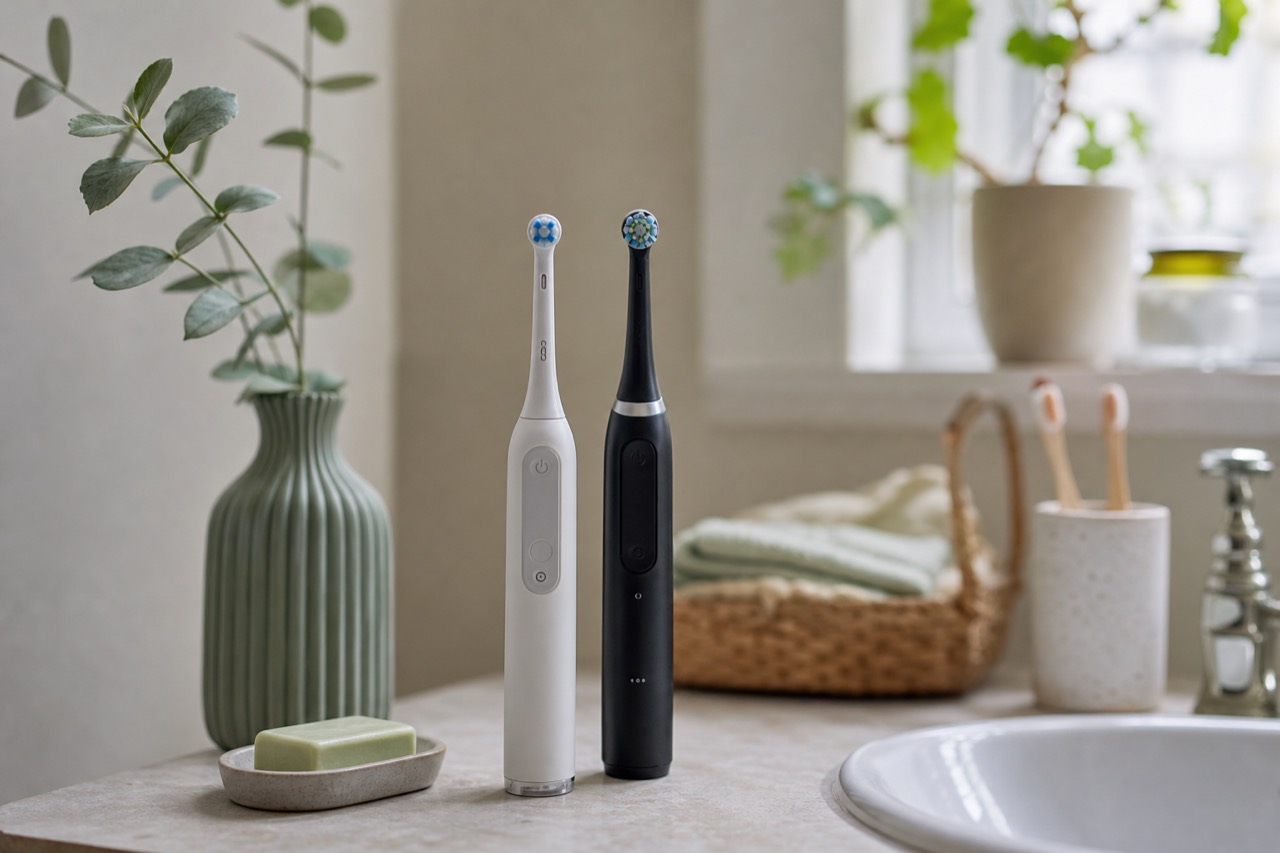
Oral-B’s approach uses a small, round brush head that cups each tooth. The head turns back and forth while also moving, so you guide it slowly from tooth to tooth rather than scrubbing. The iO range is Oral-B’s premium line and uses a newer, quieter magnetic drive than older Oral-B models. Some people love the “dentist-clean” feel; others find the round head takes a little getting used to.
Philips Sonicare (sonic)
Sonicare brushes have an elongated head, similar in shape to a manual brush, that vibrates side to side very quickly. You hold it at an angle to the gumline and glide it along. Many people find the switch from a manual brush feels more natural with this shape. The buzzing sensation can tickle at first.
Side-by-side comparison
| Feature | Oral-B iO | Philips Sonicare |
|---|---|---|
| Brushing action | Oscillating and rotating round head | High-speed side-to-side sonic vibration |
| Head shape | Small and round | Elongated, like a manual brush |
| Technique | Guide slowly tooth by tooth | Angle at the gumline and sweep |
| Feel | Firm, polished clean | Buzzy, gentle glide |
| Worth checking | Head prices, charger type, app features | Head prices, charger type, app features |
Both ranges offer timers, pressure feedback on many models, several cleaning modes and app connectivity on higher-end models. Exact features vary by model, so always read the listing before you buy.
The deals on our radar
| Product | Best for | What to look for | Deal |
|---|---|---|---|
| Oral-B iO6 Electric Toothbrush (Black) | People who like a firm, tooth-by-tooth clean | Check the included heads, modes and travel case in the listing | Oral-B iO6 Electric Toothbrush |
| Philips Sonicare 9000 DiamondClean | Anyone moving from a manual brush who prefers a familiar head shape | Check which heads, modes and charger come in the box | Philips Sonicare 9000 DiamondClean |
Both are higher-end models. If you only need the basics, a cheaper model from either range will still give you a timer and a good clean.
Features that genuinely help
Two-minute timer and quadrant pacer
Most electric brushes buzz or pause every 30 seconds to tell you to move to the next quarter of your mouth. This alone can improve how evenly you brush.
Pressure sensor
Brushing too hard can be rough on your gums and enamel. A pressure sensor warns you with a light or change in motor speed. This is one of the most useful features, especially if you are a “scrubber”.
Cleaning modes
Sensitive or gentle modes are handy if your gums are tender. Whitening and polishing modes are mostly about how long and how intensely the brush runs; they are not a replacement for professional advice on whitening.
Battery life and charging
Look at how the brush charges (stand, glass, travel case or USB) and how long a charge lasts. If you travel often, a travel case and long battery life are worth more than extra modes.
Features you can probably skip
- App tracking: useful for some, ignored by many after the first few weeks. Do not pay a lot extra for it unless you know you will use it.
- Lots of modes: most people settle on one or two.
- Fancy display screens: nice to have, not essential.
Don’t forget the running costs
The handle is a one-off purchase; brush heads are an ongoing cost. Dental advice is to replace your brush or head about every three months, or sooner if the bristles are frayed. Before you buy, check:
- The price and availability of genuine replacement heads
- Whether multipacks are commonly available
- Whether the head types you want fit your chosen handle
Over a few years, heads can cost more than the brush itself, so it is worth factoring in.
Who should choose which?
- Choose Oral-B iO if you like a small head that you can steer precisely around each tooth, and you enjoy a firmer, polished feel.
- Choose Philips Sonicare if you prefer the shape of a manual brush and a gentler, gliding motion.
- Try both if you can. If a family member already owns one, ask what they think. Comfort is what keeps you brushing for the full two minutes.
Pair it with good interdental cleaning
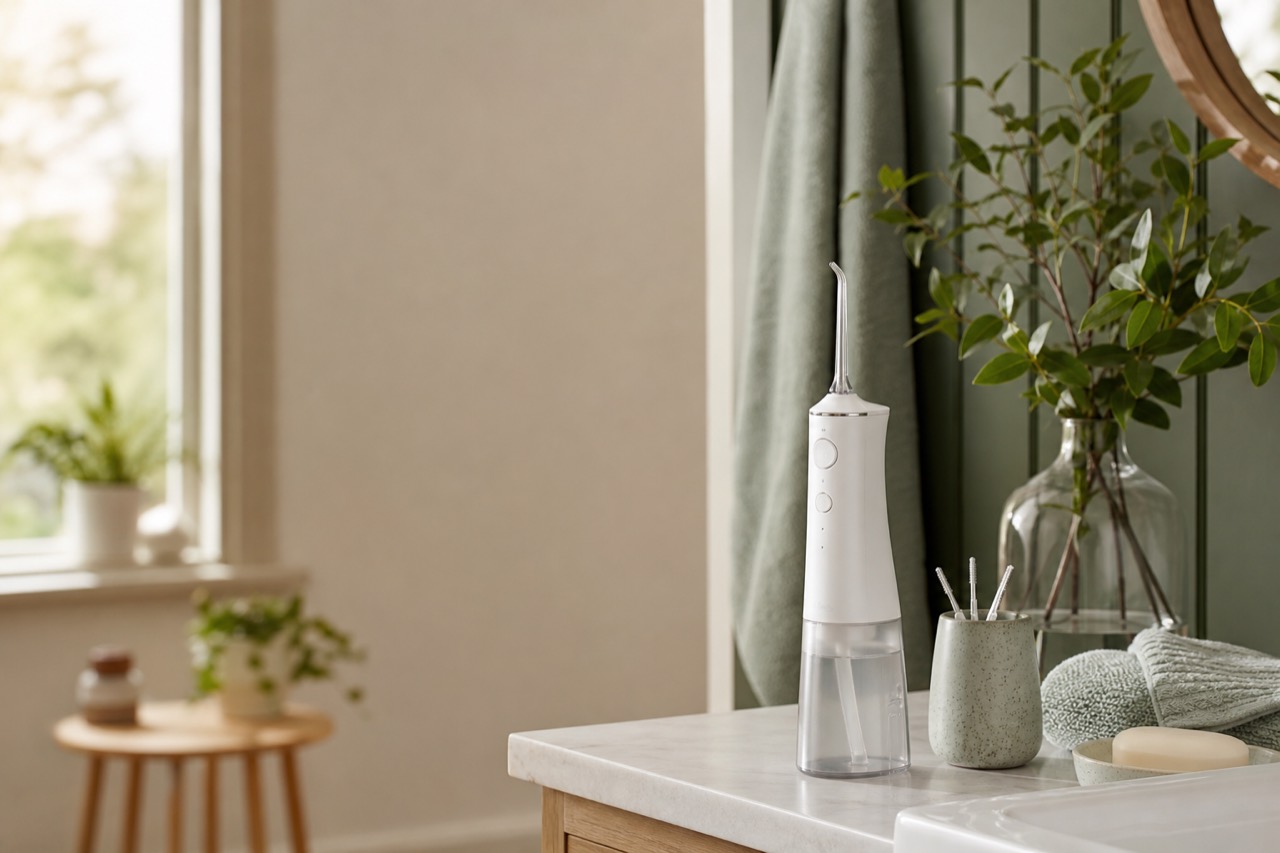
No toothbrush reaches fully between teeth. The NHS recommends cleaning between your teeth every day with floss or interdental brushes. Some people also like a water flosser as an extra step; see our guide on whether water flossers are worth it.
FAQ
Is an electric toothbrush better than a manual one?
Many people find an electric brush makes it easier to brush thoroughly, thanks to timers and pressure sensors. A manual brush used well, twice a day with fluoride toothpaste, can also do a good job. Ask your dentist if you are unsure.
How often should I replace the brush head?
About every three months, or sooner if the bristles look splayed or worn. Replace it after an illness too, if you prefer.
Can I use an Oral-B head on a Sonicare handle, or the other way round?
No. The two systems are not compatible. Even within one brand, some heads fit only certain handles, so check compatibility before buying spares.
Are electric toothbrushes safe for sensitive gums?
Many models have a gentle or sensitive mode and a pressure sensor, which can help. If your gums bleed regularly or feel sore, see your dentist or hygienist rather than relying on the brush alone.
About the author
Daily Offer Deals editorial team
The Daily Offer Deals team checks UK deals by hand and writes practical buying guides. We never claim hands-on testing we have not done.