Ad: this guide contains affiliate links. If you buy through them we may earn commission, at no extra cost to you.
Beauty & Health
Water Flossers: Are They Worth It and Who Are They For?
Thinking about a water flosser? Here's who tends to find them helpful, how they compare with floss and interdental brushes, and what to check before buying.
By Daily Offer Deals editorial teamUpdated 6 min read
On this page 11 sections
Quick answer
A water flosser sprays a thin, pulsing jet of water between your teeth and along the gumline to help rinse away food and plaque. It is generally seen as an extra step alongside brushing, not a replacement for it, and many dental professionals still see floss or interdental brushes as the main way to clean between teeth. Water flossers tend to suit people who struggle with string floss, people with braces or bridges, and anyone who simply will not floss otherwise. Ask your dentist or hygienist whether one suits your mouth.
What does a water flosser actually do?
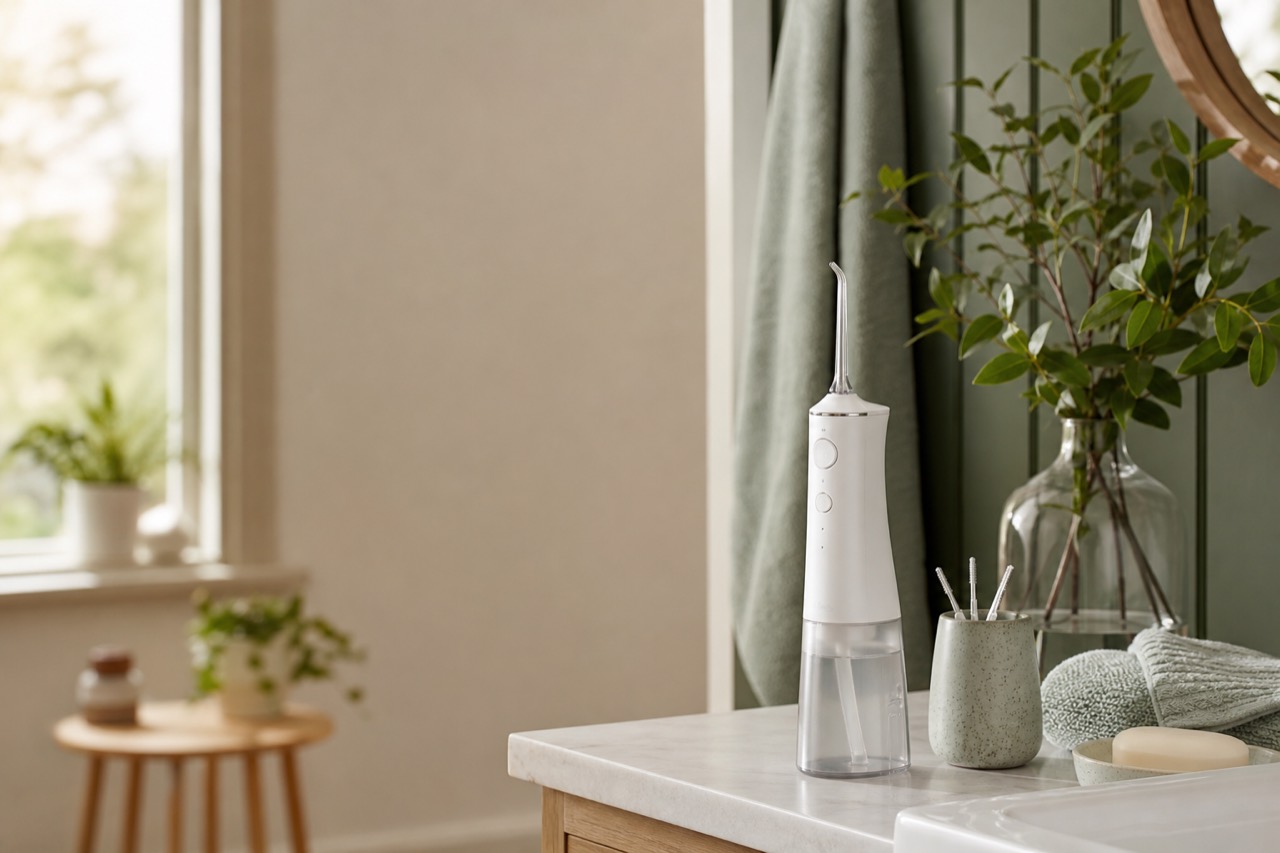
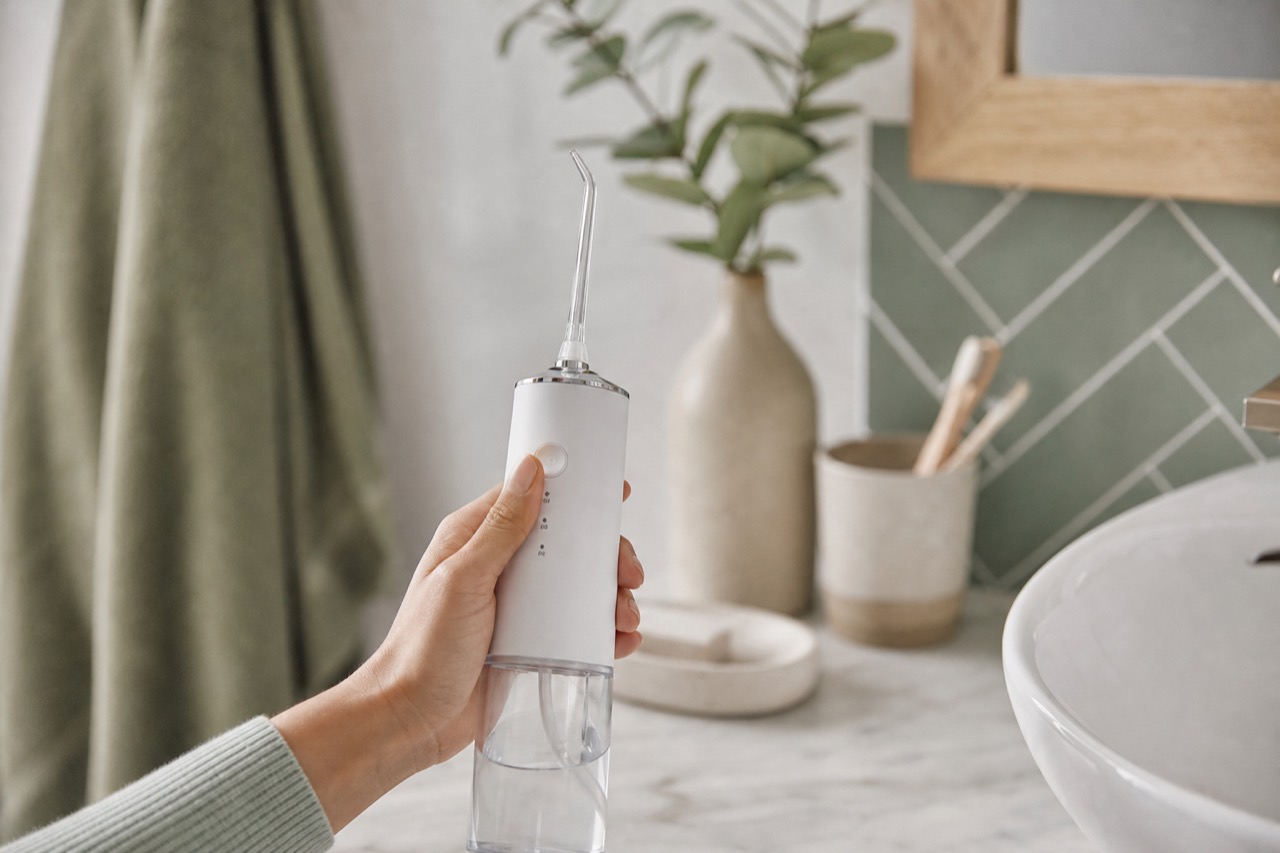
A water flosser (sometimes called an oral irrigator) has a small tank, a motor and a nozzle. You lean over the sink, aim the tip at the gumline and let the pulsing water rinse along and between each tooth. Most have several pressure settings so you can start gently and build up.
It is a different action to string floss, which physically scrapes plaque off the sides of each tooth, or interdental brushes, which push through the gaps. That is why dental guidance usually treats a water flosser as a useful add-on rather than a like-for-like swap.
What does dental guidance say?
The NHS advises brushing twice a day with fluoride toothpaste and cleaning between your teeth every day using floss or interdental brushes. It does not single out water flossers, so it is best to see them as one of several tools.
The right tool depends on the size of the gaps between your teeth, the state of your gums and any dental work you have. Your dentist or hygienist can show you which interdental brush sizes fit, and tell you whether a water flosser would help. If your gums bleed regularly or feel sore, get them checked rather than relying on any gadget.
Who might find a water flosser helpful?
People with braces, bridges or other dental work
Wires and brackets make string floss fiddly. Many people with fixed braces find a water jet easier for rinsing around them. Always follow your orthodontist’s advice on cleaning.
People who find floss difficult
If you have limited dexterity, arthritis or simply hate flossing, a water flosser may be the difference between cleaning between your teeth and skipping it.
People who want an extra-fresh feeling
Some people simply like the rinsed, clean feel after brushing. That is a perfectly good reason, as long as it is in addition to brushing and interdental cleaning.
Who should check first?
If you have implants, gum disease, recent dental surgery or very sensitive gums, check with your dentist before using a water flosser, and start on the lowest pressure.
Water flosser vs floss vs interdental brushes
| Method | Best for | What to look for | Things to know |
|---|---|---|---|
| String floss or tape | Tight gaps between teeth | Waxed floss or wider tape if it shreds | Cheap and portable, but takes practice |
| Interdental brushes | Most adults with visible gaps | The right size for each gap, as shown by your hygienist | Often recommended by dental teams |
| Water flosser | Braces, bridges, people who struggle with floss | Pressure settings, tank size, nozzle types | Needs a sink, charging and cleaning |
| Floss picks | Quick cleaning on the go | Sturdy handle | Handy, but less thorough for some gaps |
Cordless vs countertop
Cordless
Cordless models are rechargeable, compact and good for small bathrooms or travel. The trade-off is a smaller water tank, so you may need to refill mid-session.
Countertop
Countertop models plug in and have a larger reservoir. They suit families sharing one unit but need space near a socket. In UK bathrooms, check the model is designed for bathroom use and keep mains-powered devices well away from water.
The deal on our radar
| Product | Best for | What to look for | Deal |
|---|---|---|---|
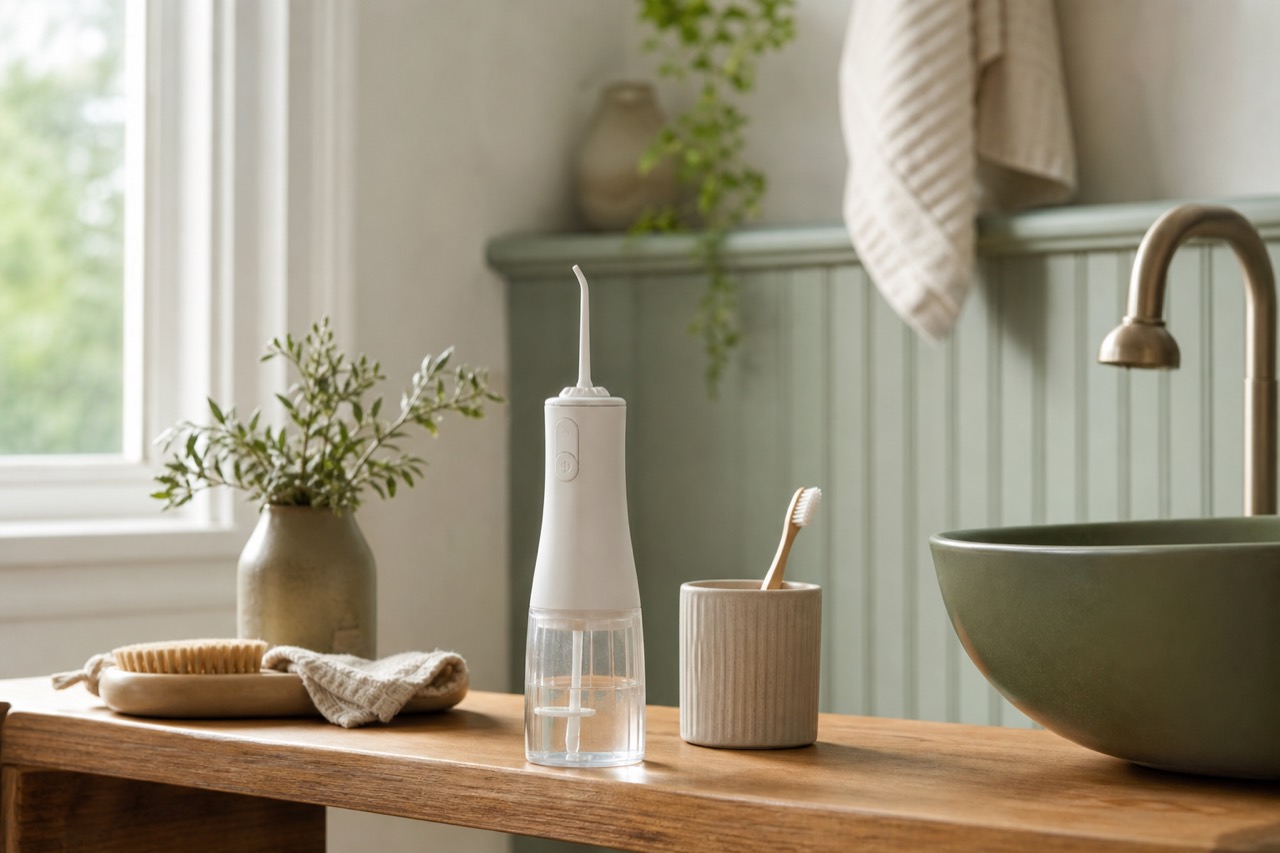
| Hangsun HOC760 Cordless Water Flosser | Small bathrooms, travel and trying water flossing for the first time | Pressure modes, tank size, included nozzles and charging method in the listing | Hangsun HOC760 Cordless Water Flosser |
If you are also upgrading your toothbrush, our electric toothbrush guide compares the Oral-B iO6 and Philips Sonicare 9000 DiamondClean.
What to check before you buy
- Pressure settings. Several levels let you start gently, which matters if your gums are sensitive.
- Tank size. Bigger tanks mean fewer refills; smaller ones mean a more compact device.
- Nozzles. Look for standard jet tips, plus orthodontic or periodontal tips if you need them. Check replacement tips are easy to buy.
- Charging and battery. USB charging is handy for travel. Check how often you will need to recharge.
- Water resistance. Cordless models should be designed for wet hands and shower use if that’s how you plan to use them.
- Cleaning. A tank that opens fully is easier to dry and keep fresh.
How to use one well
- Fill with lukewarm water. Cold water can feel sharp on sensitive teeth.
- Lean over the sink and close your lips around the nozzle slightly to reduce splashing.
- Start on the lowest pressure and work up over a few days.
- Trace the gumline, pausing briefly between each tooth.
- Empty and dry the tank after use, and replace the tip as the manufacturer suggests.
Expect some mess at first. Most people get the hang of it within a week or two.
So, is a water flosser worth it?
For people with braces or dental work, or who find floss genuinely hard, a water flosser can make daily interdental cleaning far more likely to happen. For everyone else, it is a “nice to have” rather than an essential. If you already clean between your teeth comfortably with interdental brushes, you may not need one. The best routine is the one you will keep up every day, ideally shaped by advice from your own dental team.
FAQ
Can a water flosser replace brushing?
No. You still need to brush twice a day with fluoride toothpaste. A water flosser is an extra step.
Can a water flosser replace floss or interdental brushes?
Dental guidance generally recommends floss or interdental brushes for cleaning between teeth. Some people use a water flosser alongside them, or instead of them on their dentist’s advice. Ask your dental team what suits you.
Is it normal for gums to bleed when I start?
Some people notice a little bleeding when they start cleaning between their teeth. If it continues for more than a few days, or your gums are sore or swollen, see your dentist or hygienist.
Are water flossers good for braces?
Many people with fixed braces find them helpful for rinsing around brackets and wires. Follow your orthodontist’s cleaning advice, and use the right nozzle if your model offers one.
About the author
Daily Offer Deals editorial team
The Daily Offer Deals team checks UK deals by hand and writes practical buying guides. We never claim hands-on testing we have not done.