Quick answer
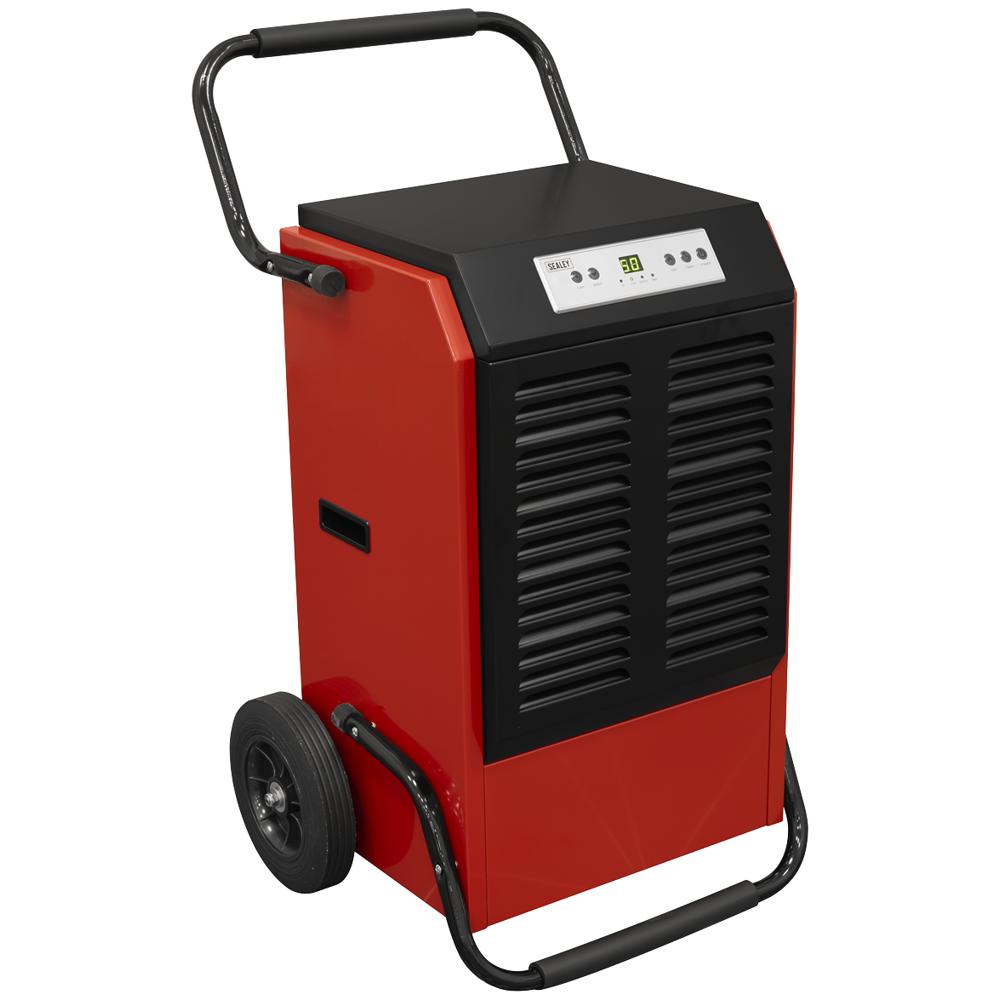
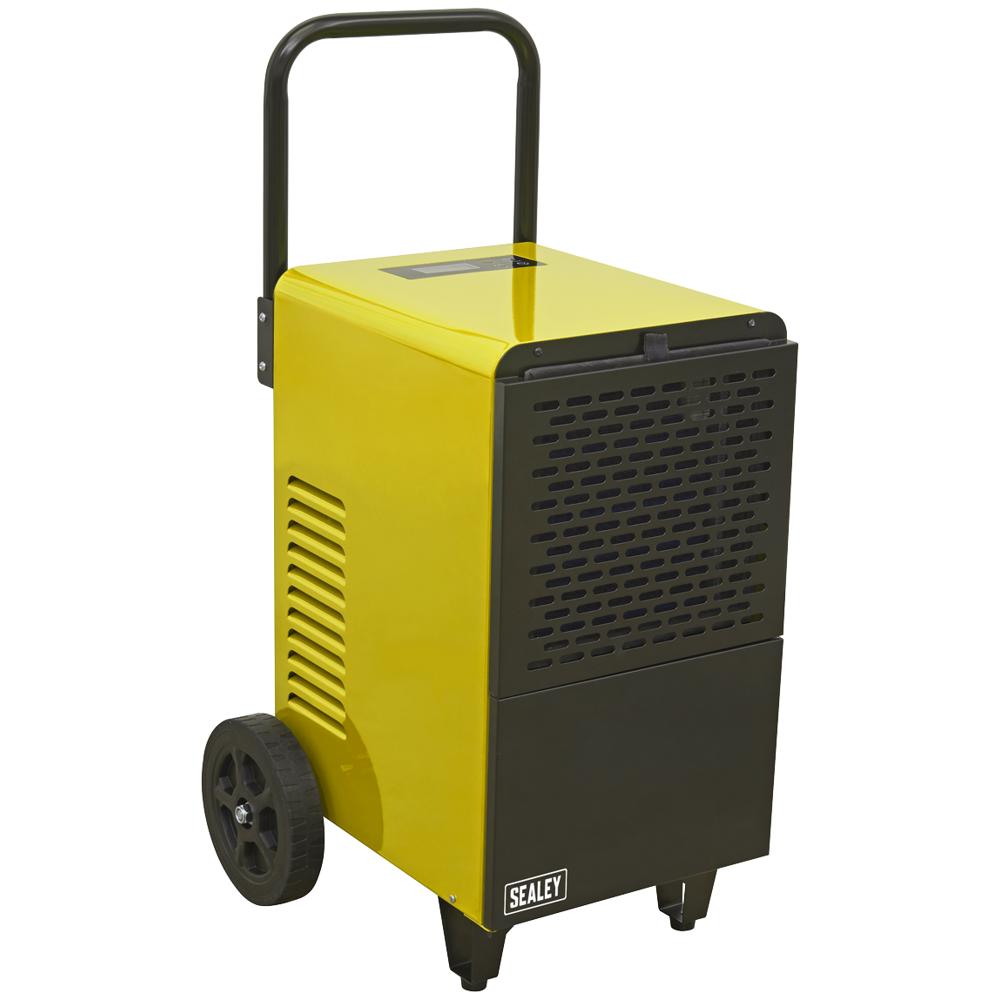
Per hour, a dehumidifier is the cheapest of the three to run, a heated airer is next, and a tumble dryer costs the most per load but is by far the quickest. At the current price cap rate of 26.32p per kWh, Uswitch puts a typical dehumidifier at just under 5p an hour, a 300W heated airer at just under 8p an hour, and an average tumble dryer cycle at about 79p. A heat pump tumble dryer narrows the gap a lot: Which? estimates its running cost at well under half that of a condenser or vented dryer. The right choice depends on how much washing you do, how much space you have and whether damp is already a problem at home.
The running costs, with the sums shown
The formula is the same for any appliance:
Cost = power in kW × hours used × unit rate
Under the Ofgem price cap for 1 October to 31 December 2026, the average electricity unit rate on Direct Debit is 26.32p per kWh. The power figures below are the averages Uswitch uses, not any specific model, and the per-load times are illustrative. Your own cost depends on your tariff, your machine and how wet the washing is.
| Method |
Power or energy |
Cost per hour |
Illustrative cost per load |
| Heated airer |
300W (0.3kW) |
0.3 × 26.32 = about 7.9p |
6 hours: about 47p |
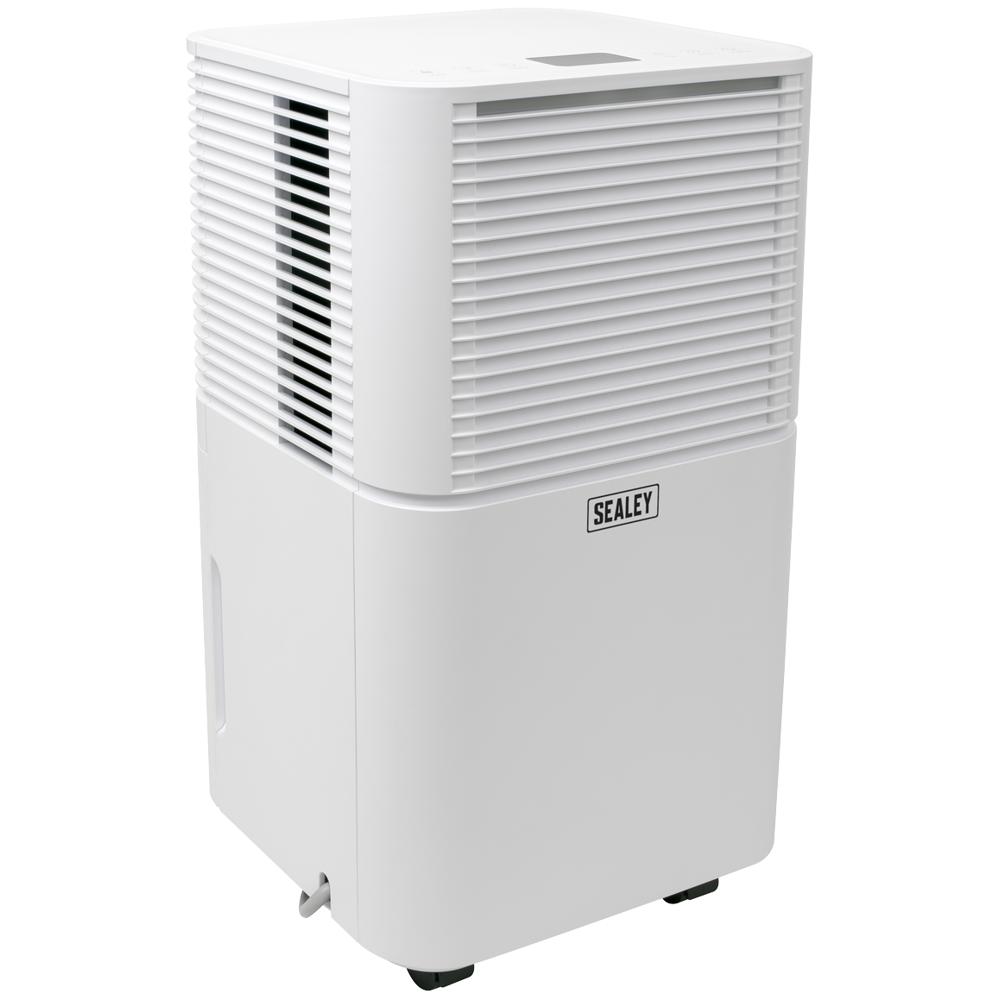
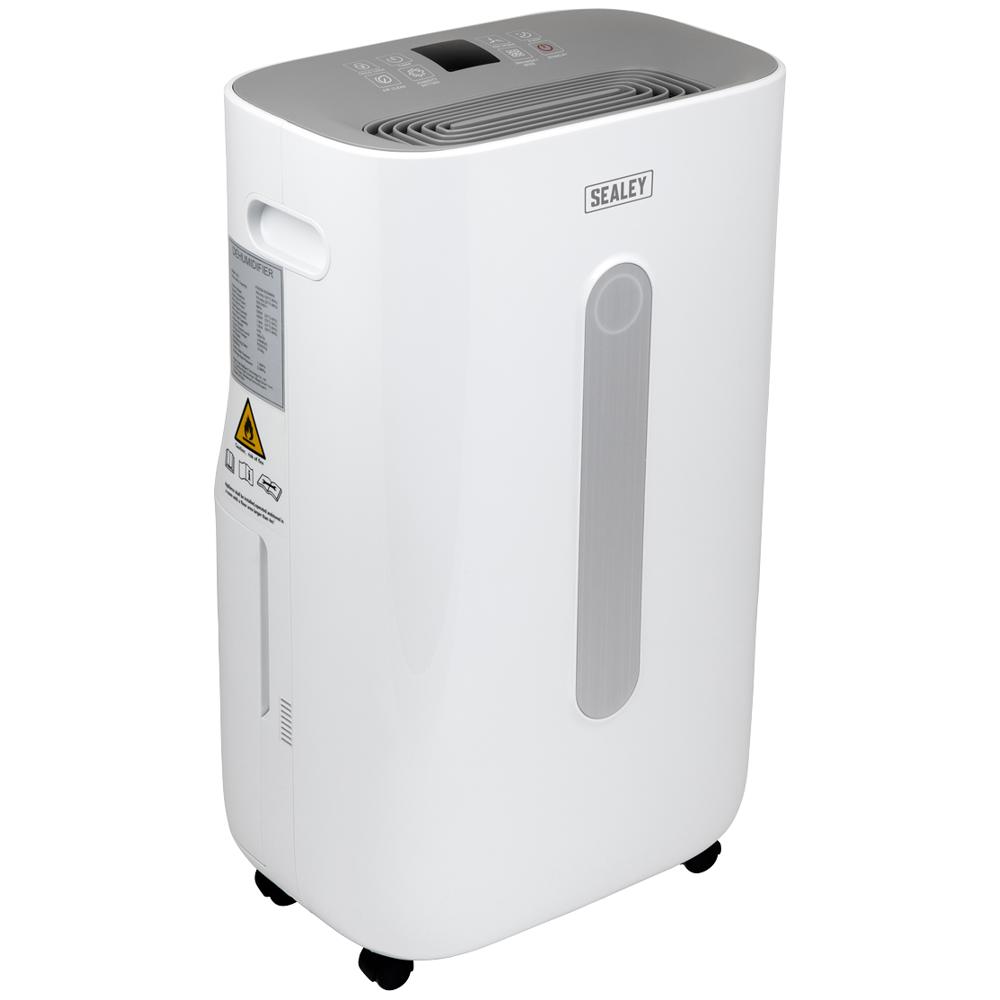
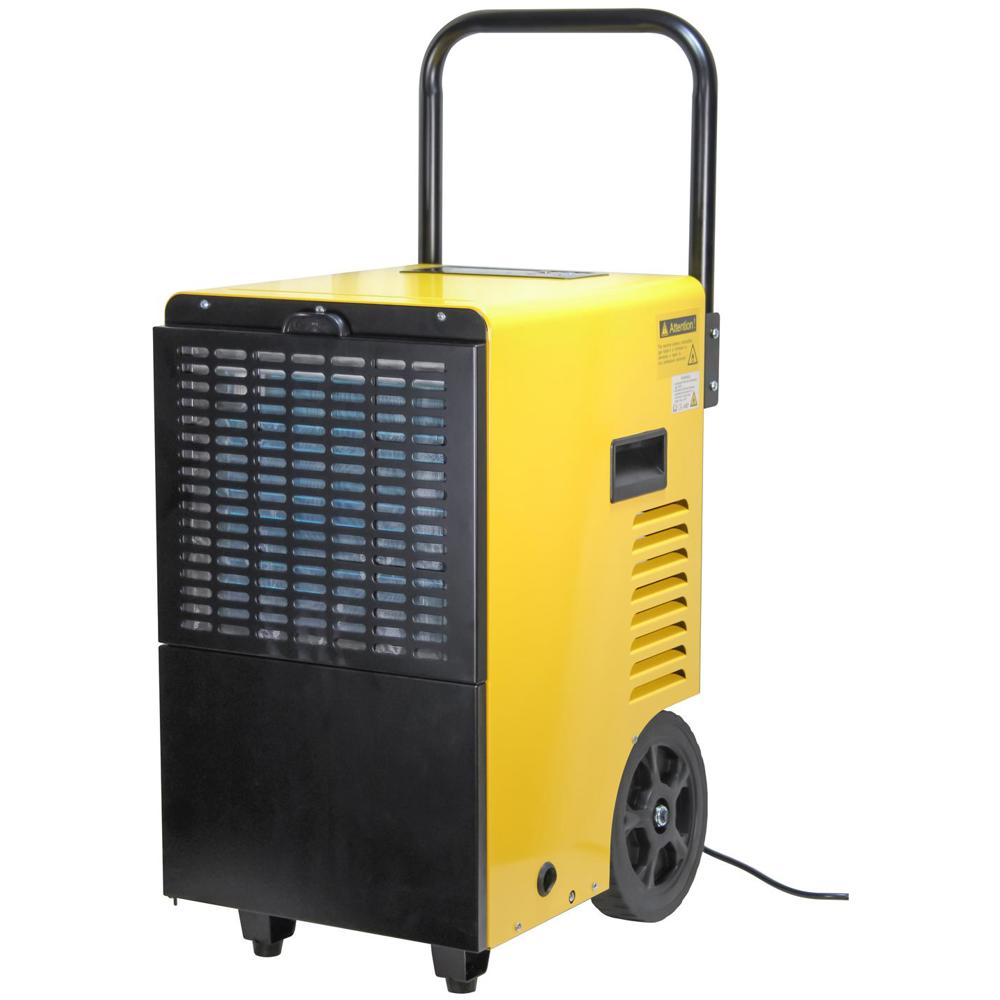
| Dehumidifier beside an ordinary airer |
185W (0.185kW) |
0.185 × 26.32 = about 4.9p |
6 hours: about 29p |
| Heated airer plus dehumidifier |
485W together |
about 12.8p |
4 hours: about 51p |
| Tumble dryer, average cycle |
3kWh per cycle |
n/a |
3 × 26.32 = about 79p |
Drying times vary enormously with the room temperature, how well the washing machine spins and how you load the airer, so treat the right-hand column as worked examples only. We have not timed these ourselves.
What about a heat pump tumble dryer?
Tumble dryers differ a great deal by type. Which? estimates the average annual running cost, for three cotton loads a week at the 26.32p rate, at:
- Heat pump: about £54 a year
- Condenser: about £139 a year
- Vented: about £140 a year
Divide those by 156 loads a year and, by our arithmetic, a heat pump dryer works out at roughly 35p a load against about 89p for a condenser or vented model. Heat pump dryers cost more to buy and take longer per cycle, so the saving builds over several years of regular use.
Beyond cost: speed, space and damp
|
Heated airer |
Dehumidifier with an airer |
Tumble dryer |
| Speed |
Slow; often most of a day or overnight |
Slow to moderate |
Fast; a couple of hours or less |
| Space needed |
Floor space while in use; folds away |
Small unit plus airer |
Permanent appliance space |
| Moisture in the room |
Releases it into the air |
Removes it from the air |
Vented and condenser models deal with it; check the type |
| Capacity |
One load spread across the bars |
One or two airers in a closed room |
One load per cycle |
| Upfront cost |
Lowest |
Middle |
Highest, especially heat pump |
| Other uses |
None |
Helps with condensation all winter |
Softer towels, fewer creases |
The moisture row matters. A load of washing holds a lot of water, and when it dries indoors that water goes into the air. A heated airer on its own speeds up drying but does nothing to remove the moisture, which can settle as condensation on cold windows and walls. A dehumidifier pulls that water out of the air and collects it in a tank. If your home already gets condensation or mould, that is a strong reason to choose the dehumidifier route; our guide to stopping condensation and mould on a budget explains more.
Finding a fair price
Laundry appliances are widely promoted through November, but not every “was” price is meaningful. Compare the exact model across retailers and check it with our Deal Checker. You can browse winter warmth deals, dehumidifier deals and the cleaning and laundry section, or use the product finder.
Amazon search links (Ad): heated clothes airers, dehumidifiers with laundry mode, heat pump tumble dryers and plug-in energy monitors. We don’t quote prices because they change through the day.